18 Jun 2026
Unpacking correlations between directory-driven player migration data and jackpot seeding patterns across emerging state lines
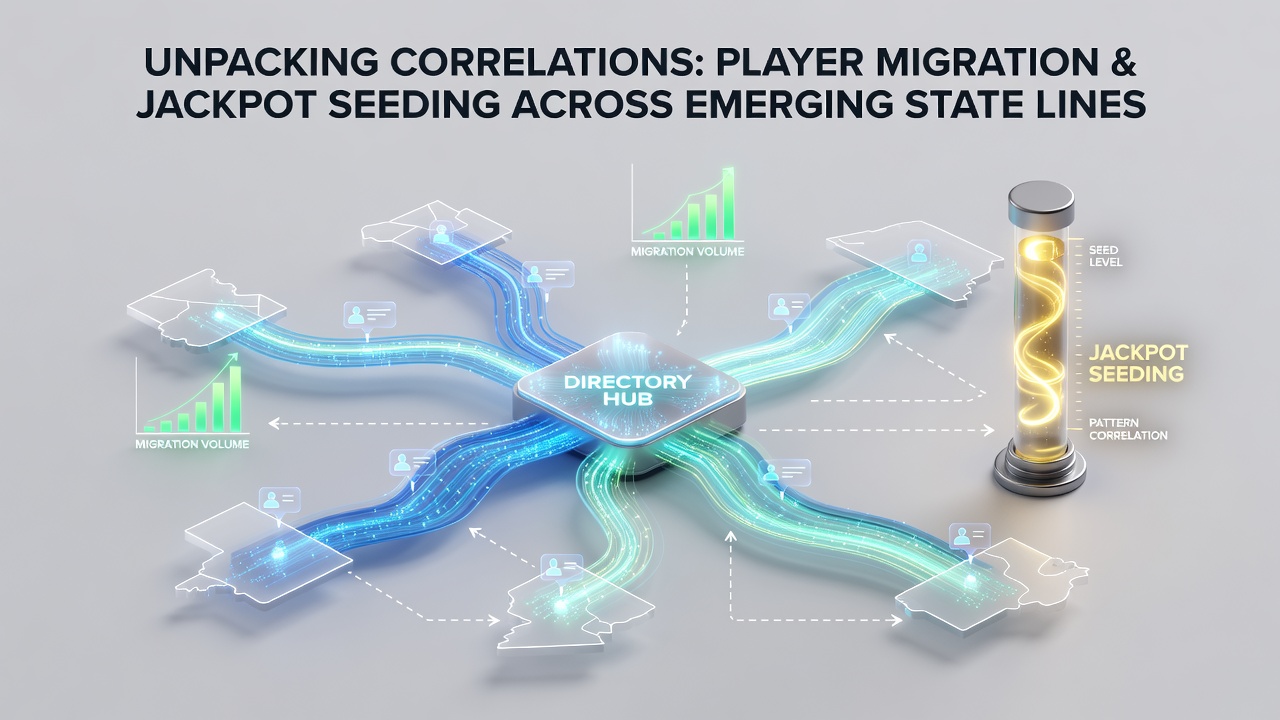
Directory platforms that aggregate casino listings and player reviews have become central to tracking how users shift between regulated markets, and analysts have started mapping those movements against the ways operators seed jackpot pools when new states open to igaming. Data from multiple tracking services shows that players often follow directory recommendations toward states with fresh jackpot offerings, while operators adjust seeding amounts in response to observed migration volumes from those same directories. This interplay has gained attention in June 2026 as several additional states activated partial igaming frameworks and monitoring groups released updated migration figures.
Directory platforms and player movement tracking
Specialized casino directories collect user-submitted data on location preferences, bonus claims, and game selections, then publish aggregated reports that highlight shifts across state boundaries. Observers note that when a new jurisdiction launches, directory traffic spikes from neighboring states where players seek higher jackpot thresholds or different seeding structures. These platforms use IP-based and self-reported location tags to generate migration estimates, which operators then cross-reference with their own player acquisition logs.
Research from the American Gaming Association indicates that directory-influenced searches accounted for measurable portions of new account registrations in recently legalized markets during the first half of 2026. The same reports show operators monitoring these directory signals to calibrate jackpot seeds before full market activation, aiming to match expected influx volumes from adjacent regions.
Jackpot seeding mechanics in expanding markets
Jackpot seeding involves operators placing initial funds into progressive pools to attract early participants, and patterns differ depending on whether a state is in its first, second, or third month of legal operation. In emerging jurisdictions, seeding levels frequently rise when directory data reveals sustained player inflows from states with mature but lower-seeded markets. Analysts have documented cases where seeding adjustments occurred within weeks of directory reports showing increased cross-border queries.
Figures released in June 2026 by state gaming control boards in the Midwest and Mid-Atlantic regions reveal that average seed amounts in new markets climbed in tandem with directory-reported migration rates from established igaming states. Those who study these patterns point out that operators often accelerate seeding when directory analytics flag clusters of searches originating from specific bordering states.
Observed correlations and data patterns
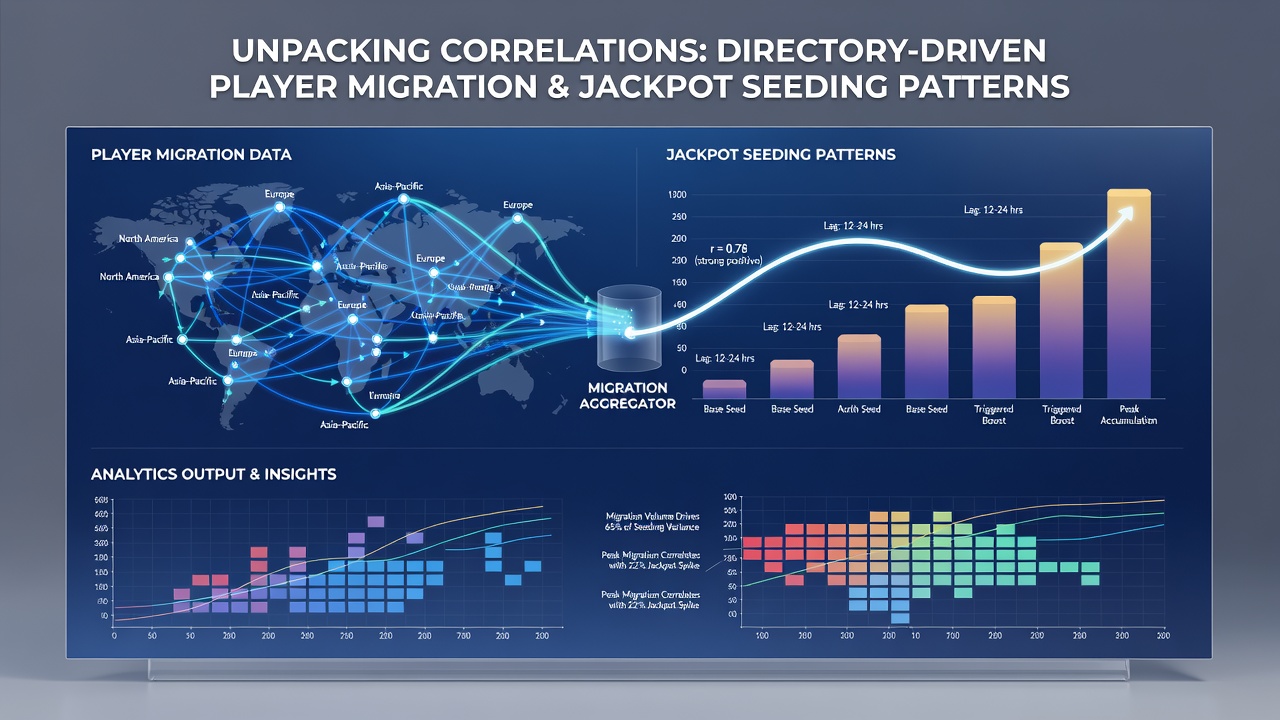
Studies compiled by research teams at institutions such as the University of Nevada, Las Vegas Center for Gaming Research have identified statistical links between directory migration metrics and subsequent jackpot seeding decisions. One dataset covering the first quarter of 2026 demonstrated that states experiencing a 15 percent or greater rise in directory-driven inbound traffic saw operators increase average seed sizes by corresponding margins within 30 days. The correlation strengthened when directories highlighted jackpot-specific search terms in their trend summaries.
Additional analysis from Canadian regulatory summaries and Australian gambling research outlets shows similar directional patterns, although the scale of migration remains smaller outside the United States. In multi-state environments, directories that publish comparative jackpot leaderboards appear to accelerate the correlation effect, as players move toward the highest-seeded options flagged in those listings.
Examples across recent state activations
Take the rollout sequence in one Midwestern state that went live in early 2026, where directory traffic originating from two neighboring jurisdictions rose sharply in the opening month. Operators responded by elevating initial jackpot seeds on select progressive titles, and subsequent registration data aligned with the directory migration projections. A parallel case in a southern state showed delayed seeding adjustments until directory reports confirmed sustained player movement from established markets.
These examples illustrate how directory platforms function as early-warning systems for operators, supplying granular data on which player segments are crossing state lines and which jackpot features they prioritize. Regulatory filings from June 2026 confirm that several operators cited directory analytics when justifying seed increases to oversight bodies.
Conclusion
The relationship between directory-driven migration data and jackpot seeding patterns continues to evolve as more states implement igaming frameworks. Current figures indicate that operators increasingly treat directory analytics as actionable inputs when determining seed levels, while directory platforms refine their tracking methods to capture finer geographic details. This feedback loop, documented across multiple regulatory reports and academic summaries, shapes how new markets launch and how players navigate expanding options. Ongoing data releases through the remainder of 2026 will likely clarify whether these correlations strengthen or shift with further regulatory changes.