6 Jul 2026
Tracing Interlinked Player Migration Patterns and Feature Accessibility Windows Across Bordered Casino Platforms
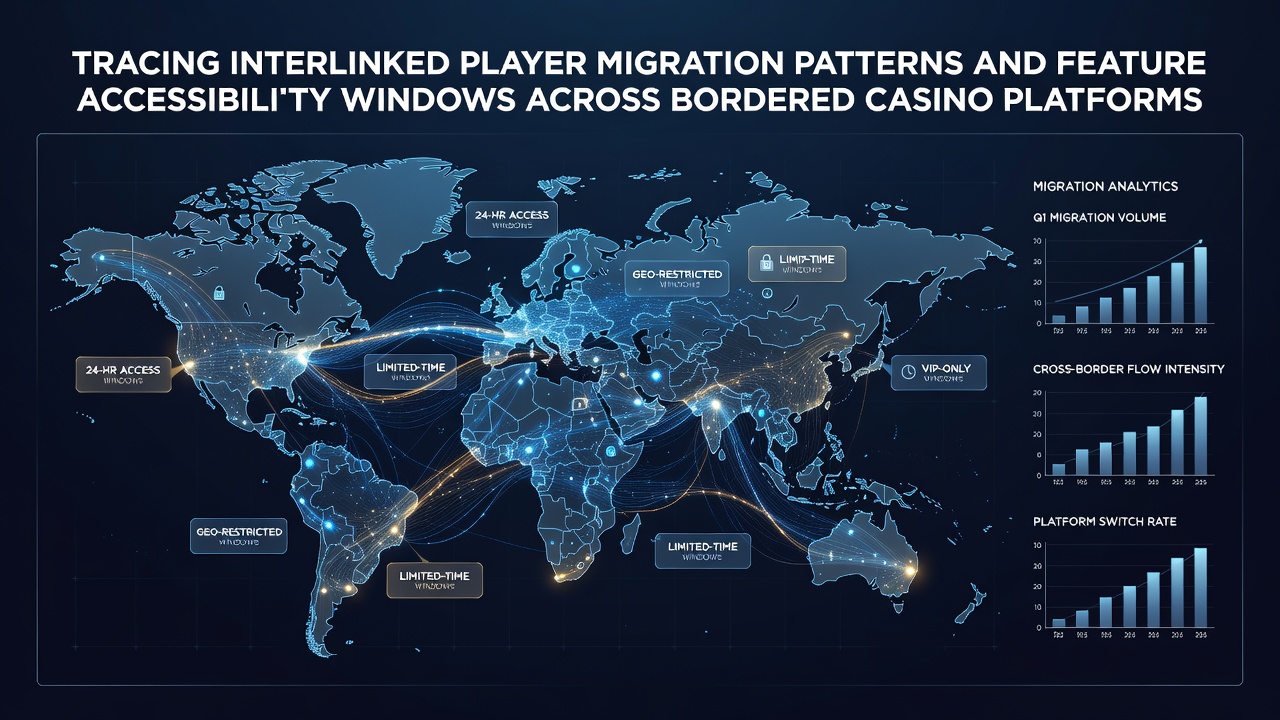
Player movement across regulated casino platforms in different jurisdictions has become a measurable phenomenon as more states launch online gaming, and researchers track these shifts through aggregated data from review sites and operator reports. Platforms in neighboring states often see users switch accounts or sessions when one market opens new titles or bonus structures ahead of another, creating visible patterns in login timestamps and deposit behaviors that align with regulatory approval dates.
Mapping Migration Through Aggregated Data Sets
Analysts combine player-submitted logs from multiple directories with anonymized transaction summaries provided by operators to identify how users relocate activity when features become available in adjacent markets, and this approach reveals consistent corridors such as those connecting Pennsylvania and New Jersey platforms during periods when one state approves a new live dealer variant weeks before the other. Data from the first half of 2026 shows increased session transfers along these routes whenever a feature accessibility window opens on one side of the border while remaining closed on the other, with volume spikes documented in the days immediately following each regulatory green light.
Observers note that migration intensity correlates with the length of the accessibility gap, and shorter windows produce smaller but more frequent shifts while longer delays generate larger temporary transfers that sometimes stabilize into permanent account preferences once the lagging market catches up.
Feature Accessibility Windows and Regulatory Timing
Each state maintains its own approval process for games, bonuses, and live features, which produces staggered rollout schedules even when operators run identical platforms in multiple jurisdictions, and these differences create the accessibility windows that drive player movement. In July 2026 several Midwest and Northeast markets experienced overlapping approval cycles for progressive jackpot integrations, allowing researchers to compare migration volumes against precise feature launch dates and observe how quickly users responded once a new pool became visible on one side of a state line.
Regulatory filings indicate that operators must submit separate documentation for each jurisdiction, which extends the time between initial development and full availability, and this administrative layering directly shapes the windows during which one platform offers a feature while a bordered platform does not. Aggregated comparison tools now flag these gaps in real time, giving players clearer visibility into upcoming changes and enabling more deliberate decisions about where to direct activity during transition periods.
Role of Review Networks in Tracking Cross-Border Shifts
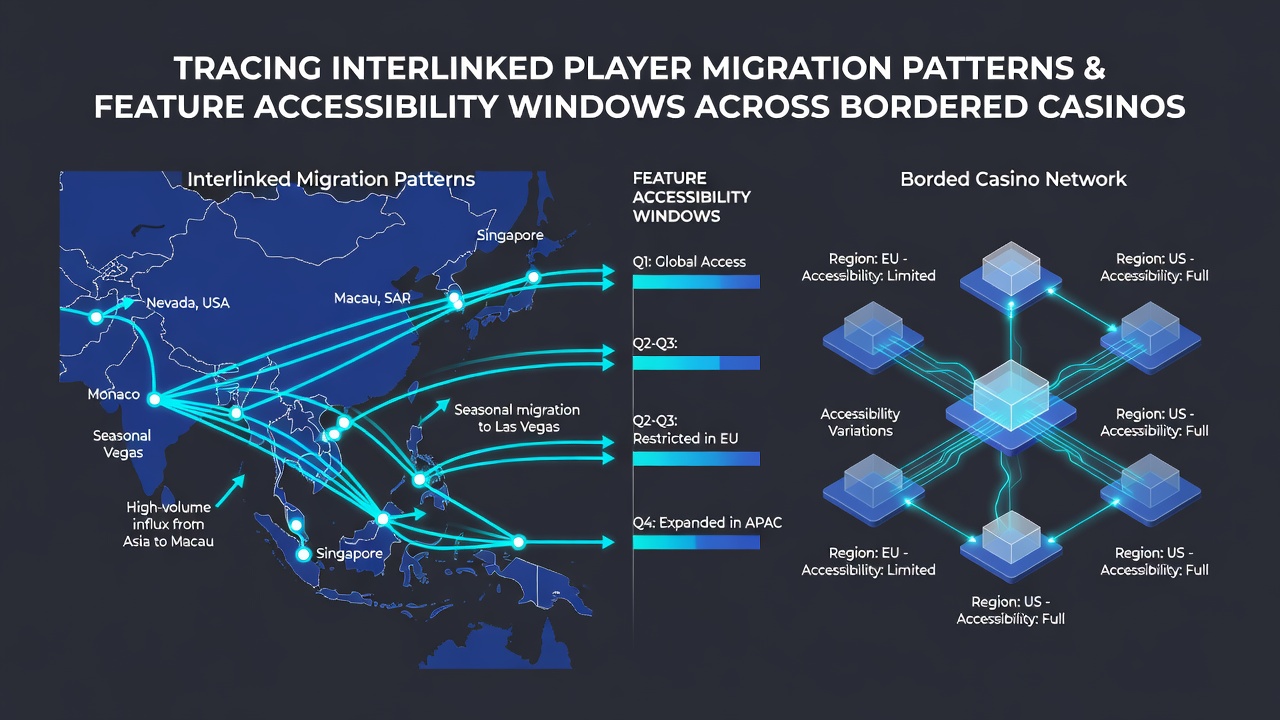
Specialized review platforms collect user-submitted performance data and combine it with publicly released revenue figures to build migration models that highlight which features trigger the strongest directional flows, and these models show that jackpot seeding adjustments and live game additions consistently rank among the top catalysts. When one state permits an operator to seed a new progressive pool while a neighboring state delays the same feature, traffic data indicates measurable movement toward the market with earlier access, followed by partial return flows once the second market activates the feature.
According to reports from the American Gaming Association, multi-state operators have increased coordination between compliance teams to minimize these staggered windows, yet regulatory differences across state lines continue to produce measurable timing variations that influence player behavior. American Gaming Association figures also reveal that total online gaming revenue across expanding markets reached new monthly records in early 2026, with a notable portion of growth attributed to users who maintain accounts in more than one jurisdiction.
Case Examples from Mid-2026 Rollouts
One documented pattern emerged when Michigan and Ohio approved certain live casino features on different schedules during spring and summer 2026, resulting in temporary account migrations that peaked during the four-week gap between approvals. Review aggregators recorded elevated activity on Michigan platforms during that interval, followed by a measurable redistribution once Ohio operators activated matching titles, and the same sequence repeated with smaller magnitude when Pennsylvania and New York staggered bonus mechanic approvals in June and July 2026.
These examples illustrate how accessibility windows function as temporary attractors rather than permanent drivers, and the strength of each migration wave depends on both the duration of the gap and the perceived value of the newly available feature. Operators have responded by aligning marketing campaigns across borders to retain users during these transitions, though data indicates that a subset of players continue to split activity between platforms even after both markets offer identical features.
Conclusion
Tracing interlinked player migration patterns requires continuous aggregation of data across regulatory boundaries, and the resulting models show that feature accessibility windows remain a primary factor in short-term movement between bordered casino platforms. As more states finalize online gaming frameworks, the frequency and scale of these patterns are expected to increase, giving researchers additional opportunities to refine their understanding of how regulatory timing shapes user behavior across multi-state markets.