20 Jun 2026
Tracing Interconnected Data Flows from Review Aggregators to Promotional Timing Shifts Across Borderless Gaming Platforms
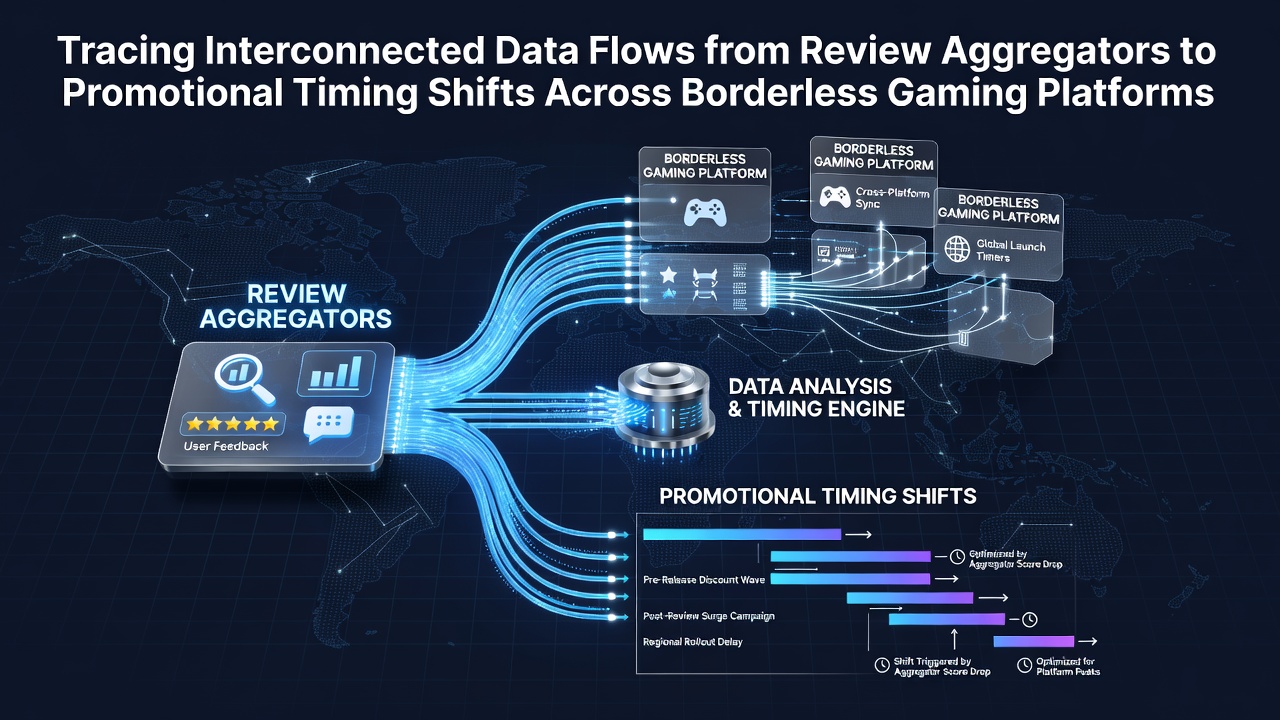
Review aggregators compile player-submitted ratings, bonus performance metrics, and payout verification reports from thousands of users each month, and these datasets move through structured pipelines that reach platform operators operating in multiple regulatory environments at once. Operators monitor shifts in aggregate scores for specific promotions, then adjust launch windows and bonus structures to align with observed patterns across different markets. Data pipelines often include automated scraping tools, API integrations, and manual curation teams that standardize entries before distribution to downstream systems.
Data Collection Mechanisms at Aggregator Level
Aggregators gather information through user forms, automated transaction logs, and direct feeds from licensed operators, which creates standardized datasets covering bonus redemption rates, average session lengths, and regional availability restrictions. These records feed into centralized databases where algorithms flag anomalies such as sudden drops in positive reviews for a particular welcome package or inconsistencies between advertised and actual wagering requirements. Observers note that processing cycles typically run on weekly intervals, allowing fresh inputs to influence timing decisions within days rather than weeks.
Borderless platforms rely on this aggregated information to synchronize promotional calendars because jurisdictions impose varying rules on bonus types, maximum stakes, and player eligibility criteria. When review volumes spike in one region regarding a cashback offer, operators examine parallel datasets from neighboring markets to decide whether to advance or delay similar rollouts elsewhere. This cross-referencing reduces the risk of mismatched compliance while maintaining competitive positioning.
Transmission Pathways and Platform Integration
Once processed, aggregator outputs travel via secure APIs or scheduled exports to internal analytics dashboards used by marketing and compliance teams at gaming operators. These teams apply filters based on jurisdiction-specific regulations before determining exact start dates for new or revised promotions. For instance, a surge in neutral reviews for free-spin bundles in one market may prompt earlier deployment of adjusted terms in another market where regulatory windows open sooner.
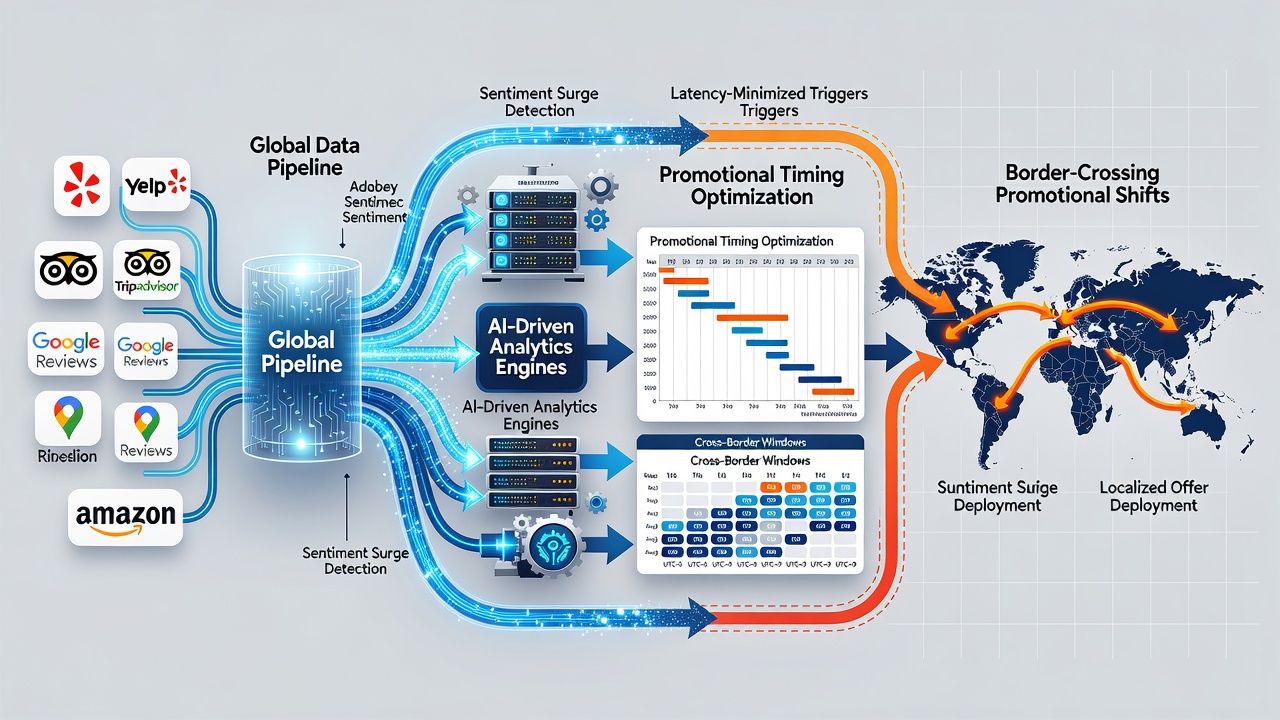
Platforms maintain internal clocks that reference both aggregator update cycles and local licensing calendars, which produces coordinated shifts rather than isolated changes. Research from the European Gaming and Betting Association shows that operators using multi-source aggregator feeds achieve tighter alignment between review trends and promotion launches compared with those relying solely on proprietary data. The same study highlights how shared datasets allow smaller platforms to mirror timing adjustments already tested by larger competitors.
Timing Adjustments Triggered by Aggregated Signals
Promotional timing responds directly to measurable thresholds in aggregator data, such as when average user ratings for a deposit match fall below a predefined level or when redemption complaints exceed historical norms. In June 2026, several multi-state operators advanced reload bonus schedules by one week after aggregator reports indicated rising player migration toward platforms with more frequent smaller promotions. These moves followed analysis of cross-border review clusters rather than single-jurisdiction feedback alone.
Operators also track velocity metrics, which measure how quickly review sentiment changes following a promotion launch. Rapid negative shifts in one market often accelerate modifications in others before similar patterns emerge locally. This predictive layering relies on the interconnected nature of aggregator networks that pool anonymized data from Canada, Australia, and various European licensing zones simultaneously.
Regulatory Variations and Cross-Border Synchronization
Different licensing authorities impose distinct reporting deadlines and bonus disclosure rules, which forces platforms to stagger promotions even when underlying aggregator signals remain consistent. A promotion cleared for immediate use in one jurisdiction may require additional verification periods elsewhere, creating deliberate offsets in rollout timing. Aggregators accommodate these differences by tagging entries with jurisdiction codes that operators parse during integration.
According to information released by iGaming Ontario, synchronized adjustments across platforms have increased since 2024 as more operators adopt shared aggregator feeds. This trend coincides with expanded multi-jurisdictional licensing arrangements that allow single operators to serve players under multiple regulatory umbrellas. The result appears in more granular timing windows that respond to aggregated signals within narrower intervals.
Conclusion
Interconnected data flows from review aggregators continue to shape when and where borderless gaming platforms introduce or modify promotions, with transmission occurring through standardized pipelines and jurisdiction-aware filters. Operators reference these flows alongside local regulatory calendars to maintain compliance while responding to observed player behavior patterns. As aggregator coverage expands and integration tools improve, timing shifts are expected to become even more closely aligned with multi-region review trends.