1 Jun 2026
The Interplay Between Aggregated Player Metrics and Live Game Feature Adjustments in Cross-Border Markets
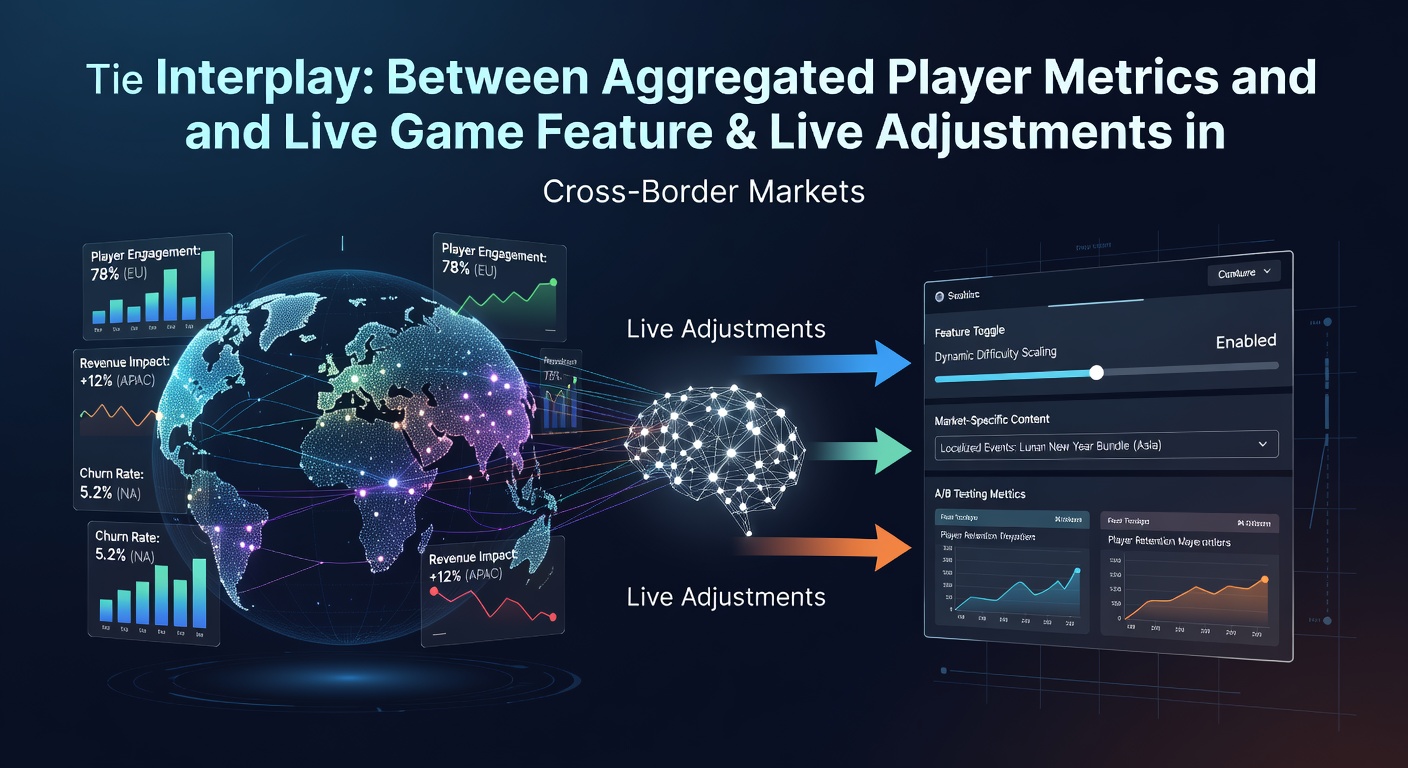
Operators in regulated gaming jurisdictions collect player data from multiple sources and compile it into aggregated metrics that guide decisions on live game features, particularly when markets span state or national lines where regulations differ.
These metrics include session durations, bet distributions, and interaction rates with dealer elements, which platforms consolidate through centralized dashboards before operators apply changes such as adjusted table limits or new side-bet options.
How Aggregation Shapes Operational Choices
Research from industry groups shows that aggregated datasets reveal patterns across regions, allowing operators to identify which live dealer configurations maintain consistent engagement levels despite varying local rules on game pacing or minimum stakes.
One study released in early 2026 tracked how metrics from North American and European markets influenced simultaneous updates to live roulette interfaces, resulting in standardized camera angles that improved retention figures by measurable percentages in both areas.
Cross-Border Data Flows and Regulatory Contexts
When operators manage properties in multiple jurisdictions, they must reconcile datasets that reflect distinct player demographics and compliance requirements, yet the aggregated view often highlights opportunities for feature tweaks that work across boundaries.
According to reports from the Canadian Gaming Association, metrics compiled from provincial and interstate sources guided adjustments to live blackjack offerings in June 2026, including the introduction of timed decision prompts that aligned with player behavior observed in both Ontario and New Jersey markets.
Canadian Gaming Association research documented how these synchronized changes reduced average drop-off rates during peak hours without violating individual regulatory caps on game speed.
Live Feature Modifications Driven by Metrics
Operators monitor real-time indicators such as chat frequency and repeat bet patterns to decide when to deploy new dealer personas or multi-camera setups, and aggregated data from cross-border operations provides the statistical weight needed to justify those investments.

Figures released by the European Gaming and Betting Association in mid-2026 illustrated that live game providers using multi-market datasets introduced regional language overlays and customized betting grids within the same month, responding to engagement variances detected in aggregated European and North American feeds.
Those adjustments occurred after platforms identified lower interaction rates in certain time zones, prompting the addition of localized dealer greetings while keeping core game logic uniform.
Implementation Patterns Observed in 2026
Throughout the first half of 2026, several multi-state operators applied metric-driven revisions to live baccarat features, expanding squeeze mechanics in markets where aggregated data showed higher visual engagement and scaling them back where session lengths remained stable without the added element.
University-affiliated research from the University of Nevada's gaming studies program examined how such targeted rollouts affected cross-border consistency, finding that operators maintained separate compliance logs while sharing underlying performance indicators to inform future iterations.
Data compiled in June 2026 indicated that these iterative processes shortened the average time between metric review and feature deployment from 45 days to roughly 28 days across participating networks.
Conclusion
Aggregated player metrics continue to serve as the primary mechanism through which operators align live game features with observed behavior across regulatory borders, producing measurable shifts in deployment schedules and configuration choices. The process relies on continuous data consolidation that respects jurisdictional differences while enabling coordinated updates, as evidenced by developments tracked through mid-2026.