18 May 2026
Mapping Player-Driven Shifts in Casino Promotion Structures Through Aggregated Comparison Tools Across Regulatory Borders
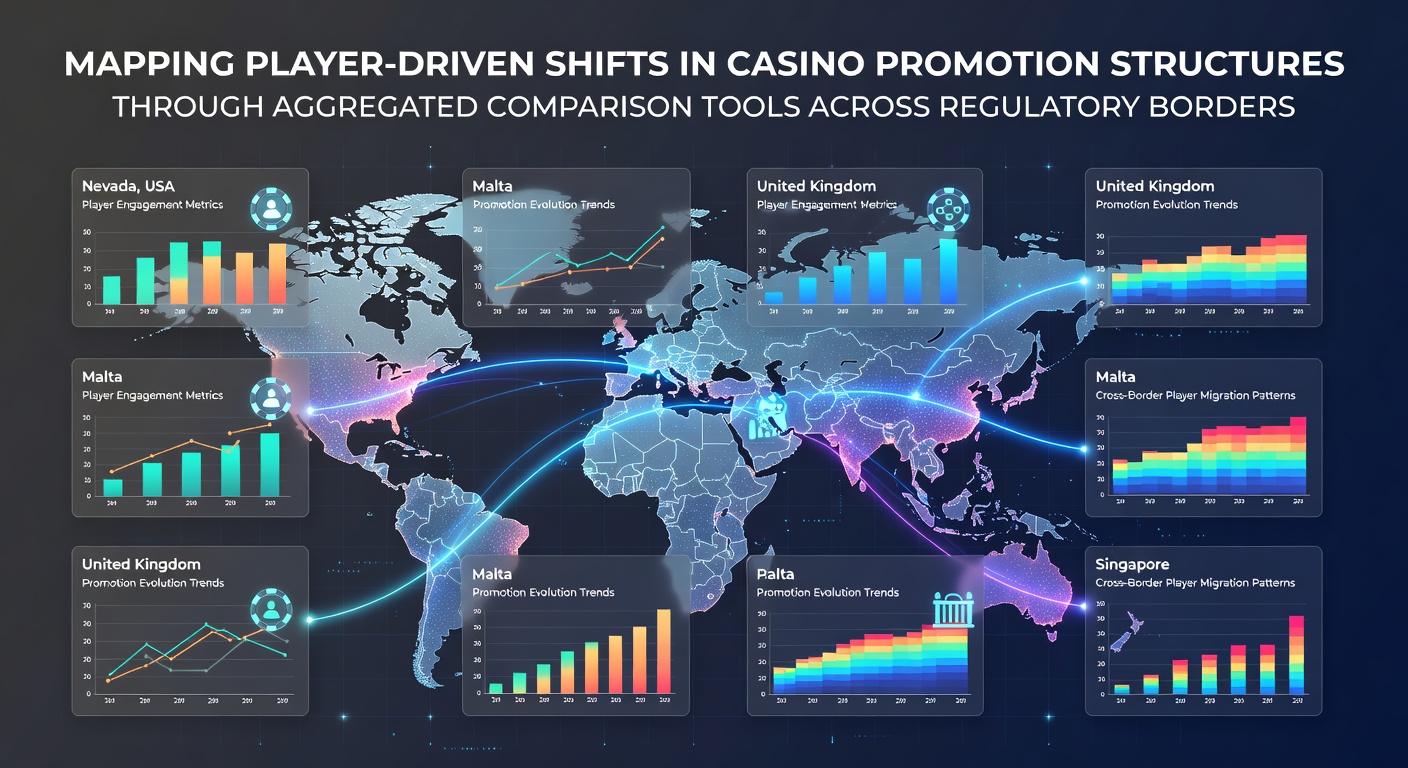
Operators across different jurisdictions have adjusted promotion frameworks in response to data compiled by comparison platforms that track user selections in real time. These tools collect anonymized metrics on which bonus types receive the most engagement, and the patterns reveal consistent movement away from one-time deposit matches toward ongoing loyalty structures that reward repeat play over several months.
How Aggregated Data Reveals Regional Differences
Comparison sites operating across borders compile figures from user activity in markets such as Australia, several Canadian provinces, and various European member states, and those figures show that players in stricter regulatory environments favor promotions with clear withdrawal conditions over high-percentage match offers that carry complex playthrough requirements. Data aggregated through May 2026 indicates that loyalty point systems gained 18 percent more selections in jurisdictions with mandatory responsible gambling disclosures compared with markets that permit more flexible advertising rules.
Researchers at academic institutions have examined these datasets and noted that the same platforms flag when certain promotional mechanics lose traction after regulatory updates take effect. For instance, when one province introduced new advertising limits in early 2026, aggregated rankings quickly reflected a drop in free-spin style offers and a corresponding rise in cashback-style rewards tied to weekly activity rather than initial deposits.
Cross-Border Tool Capabilities and Player Behavior Tracking
Modern comparison services integrate regulatory calendars from multiple authorities, allowing them to map how changes in one region influence promotion structures offered in another. Users in Canada viewing listings for Australian-facing operators, for example, encounter side-by-side displays that highlight differences in bonus expiry periods and minimum deposit thresholds shaped by each market's rules. Those displays draw from live feeds that update whenever operators submit revised terms to comply with local requirements.
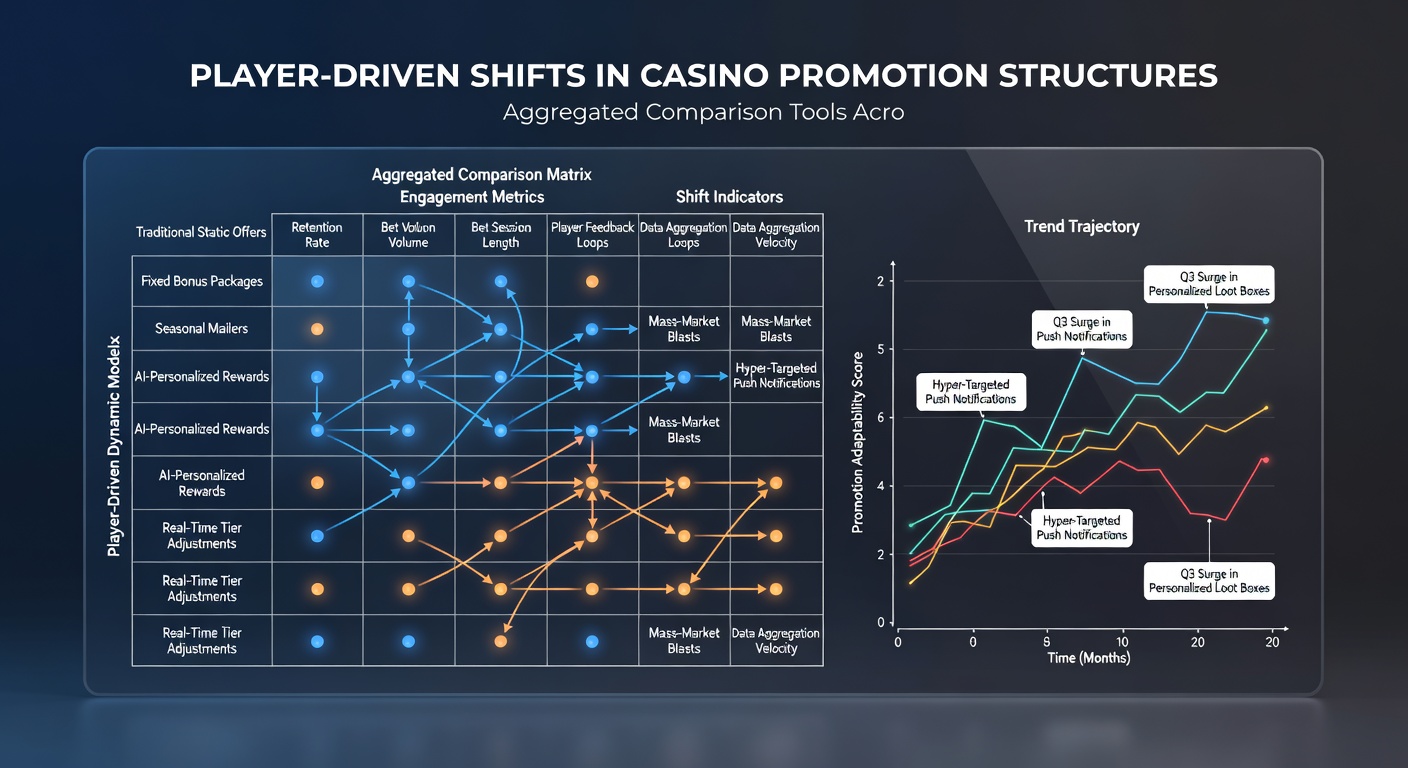
Industry reports from organizations such as the Alberta Gaming, Liquor and Cannabis Commission document similar patterns, confirming that operators monitor aggregated player preference data to time the introduction of new reward tiers. When comparison tools register sustained interest in tiered loyalty programs, operators in additional jurisdictions often introduce comparable structures within one or two regulatory cycles.
Regulatory Influences on Promotion Evolution
Regulatory bodies in Australia have published summaries showing how player engagement metrics correlate with modifications to bonus transparency rules, and those summaries align with trends captured by cross-border comparison services. In May 2026 the aggregated data sets indicated that promotions emphasizing long-term play rewards outnumbered short-term sign-up incentives by a two-to-one margin in markets that require prominent display of terms and conditions. Platforms that surface these shifts help operators anticipate adjustments needed when similar rules appear in neighboring regions.
Academic papers from research centers studying gambling policy across the EU have examined how aggregated tools reduce information asymmetry between players and operators. The studies track specific variables such as bonus claim rates and average session lengths before and after regulatory announcements, revealing that transparent comparison interfaces accelerate the adoption of player-preferred structures. One analysis covering data through spring 2026 found that loyalty-based promotions appeared in new markets within weeks of gaining visibility on major aggregator sites.
Future Mapping Through Continued Aggregation
Continued expansion of these comparison tools now includes filters that isolate promotion types by regulatory category, enabling observers to follow how player selections migrate when rules tighten or loosen. Government agencies in multiple countries have referenced such aggregated insights when evaluating the effectiveness of their own disclosure requirements. The result is a feedback loop in which player behavior documented across borders informs both operator strategy and regulatory refinement.
Conclusion
Aggregated comparison tools therefore function as dynamic maps that record how promotion structures evolve under the combined pressure of player preferences and regulatory boundaries. Data compiled through May 2026 demonstrates measurable movement toward loyalty frameworks and away from isolated deposit incentives in several monitored markets, while cross-referenced reports from industry bodies and academic sources confirm the consistency of these patterns across jurisdictions. The ongoing collection and presentation of this information supplies operators and regulators with a shared reference point for understanding which promotional approaches maintain relevance as rules and player habits continue to shift.