1 Aug 2026
How User-Submitted Performance Metrics from Evaluation Networks Guide the Timing of Exclusive Mobile Feature Releases in Newly Authorized Multi-State Gaming Zones
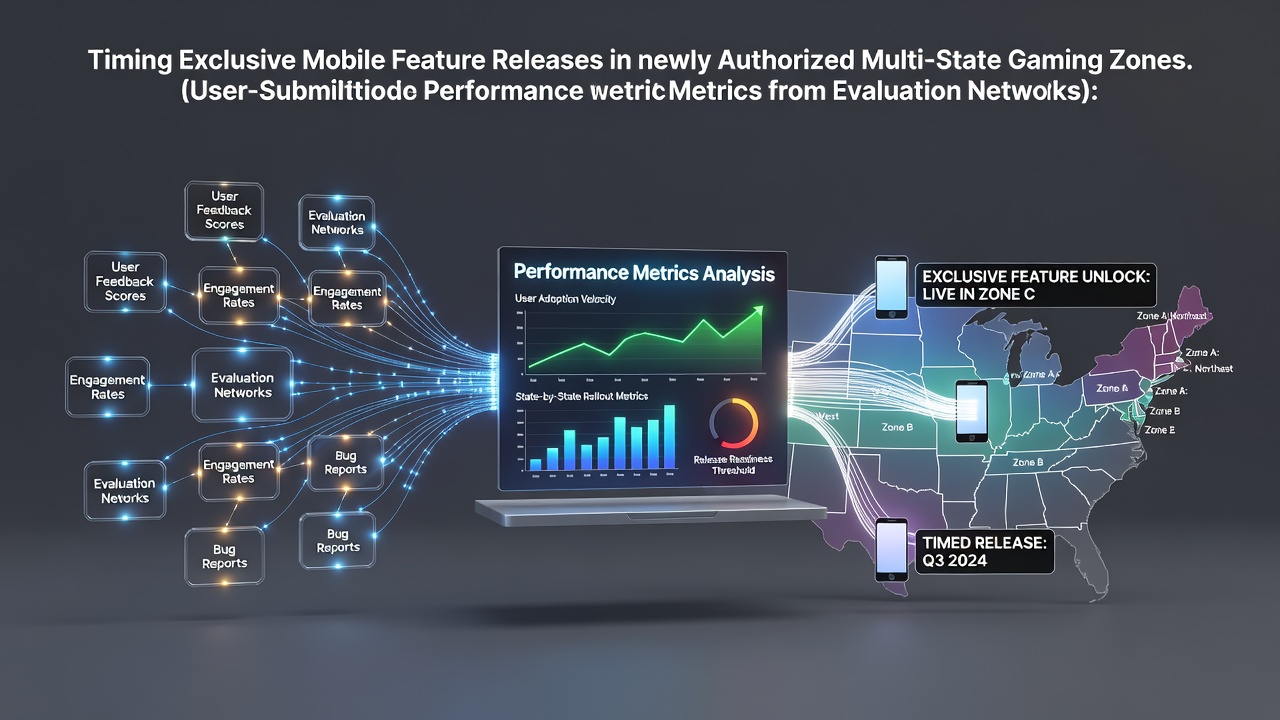
Data from evaluation networks shows that operators in newly authorized multi-state gaming zones rely on user-submitted performance metrics to determine when exclusive mobile features launch, and these metrics include latency reports, device compatibility scores, and session completion rates that arrive through centralized comparison platforms. Researchers track how such inputs flow from players in states like Pennsylvania and Michigan into shared databases, where algorithms sort the information by region and hardware type before feeding it back to developers who adjust rollout calendars accordingly.
Metric Collection Across Borders
Evaluation networks gather raw data through player feedback forms embedded in mobile apps, and these forms capture details such as frame rate drops during live dealer sessions along with crash logs that occur under specific network conditions. Aggregators compile the submissions daily, then apply filters that separate results by state jurisdiction because regulatory rules differ on data retention and privacy standards. In August 2026, records indicated that Michigan operators received over 12,000 unique device reports within the first two weeks after a new zone opened, allowing them to identify which handsets struggled with augmented reality overlays before wider deployment.
Those who manage these networks note that cross-border synchronization occurs through standardized APIs, which means a performance issue flagged in New Jersey can influence timing decisions in neighboring Delaware markets within the same reporting cycle. The process avoids direct data sharing that would violate state laws, yet still permits trend analysis that highlights regional patterns in mobile engagement.
Timing Decisions Driven by Thresholds
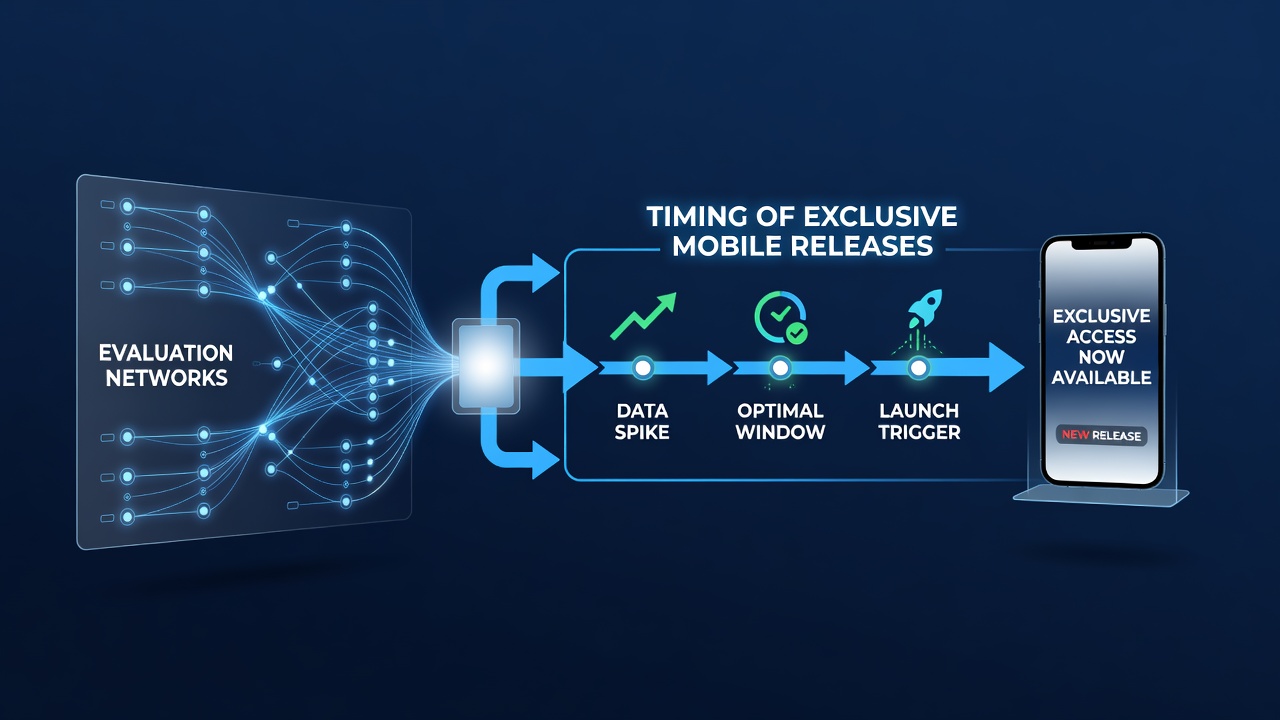
Release schedules shift when aggregated scores reach predefined benchmarks, such as an average latency under 150 milliseconds across 85 percent of reported sessions or a crash rate below 2 percent on target devices. Developers monitor these thresholds through dashboards that update every four hours, and they delay feature pushes if metrics fall short in even one participating state. One documented case involved a progressive jackpot mobile module held back for eleven days in 2026 until Ohio-sourced reports confirmed stable performance on mid-range Android tablets after an initial soft launch in West Virginia.
Industry organizations like the American Gaming Association publish periodic summaries that illustrate how such data loops shorten the interval between regulatory approval and full mobile availability, yet the actual decisions remain with individual operators who weigh the risk of negative player feedback against competitive pressure to deliver exclusives quickly.
Regional Variations and Regulatory Influence
State gaming commissions impose different requirements for pre-release testing, which forces evaluation networks to segment their datasets accordingly. For instance, Massachusetts requires a minimum sample of 5,000 unique users before certain interactive features receive final clearance, while Illinois focuses more on encryption verification tied to performance logs. These variations mean that a single national developer may stagger exclusive releases across its portfolio, launching first in zones where metrics clear local hurdles earliest.
According to figures from the Nevada Gaming Control Board, similar metric-driven approaches in established markets have reduced post-launch support tickets by roughly 30 percent when operators waited for sufficient user data before expanding features. Newer multi-state zones adopt the same logic, though they operate with smaller initial player bases that demand more precise filtering of submissions to avoid statistical noise.
Case Examples from 2026 Expansions
Take the rollout of an exclusive mobile tournament mode in a cluster of Mid-Atlantic states where evaluation networks flagged higher-than-expected battery drain on certain iOS versions. Operators postponed the feature for two additional weeks while developers optimized power management, and subsequent reports showed a 40 percent improvement in session length once the adjusted version deployed. Another instance occurred when Canadian researchers shared anonymized findings through an academic partnership that helped U.S. platforms refine their models for cross-device synchronization, demonstrating how international data sources occasionally inform domestic timing strategies.
People who review these patterns observe that the feedback loop tightens as more states authorize gaming, because larger combined datasets allow finer segmentation by device age, operating system, and connection type. This granularity helps operators avoid broad delays while still protecting the user experience in each jurisdiction.
Conclusion
Performance metrics submitted through evaluation networks continue to shape release calendars in expanding multi-state zones by providing real-time signals that regulatory bodies and operators both consult. As new markets open, the volume of these submissions grows, which in turn refines the precision of timing decisions and supports more stable feature introductions across devices. Data from sources such as the New Jersey Division of Gaming Enforcement and reports issued by the Australian Gambling Research Centre illustrate parallel approaches that emerging U.S. regions adapt to their own frameworks, ensuring that exclusive mobile content reaches players only after performance thresholds confirm readiness in each location.