20 Aug 2026
How Review Aggregation Networks Recalibrate Bonus Expiration Cycles in Multi-State Digital Gaming Environments

Review aggregation networks compile performance metrics from digital gaming operators operating in states such as New Jersey, Pennsylvania, Michigan, and West Virginia, then feed those metrics back into bonus structure adjustments that affect expiration timelines. Data collected through player-submitted logs and operator disclosures reveals patterns where bonus validity periods shorten or extend based on aggregated redemption rates across regulatory jurisdictions.
Data Collection Mechanisms in Multi-State Markets
Networks gather redemption statistics from licensed platforms, cross-reference them with state-specific compliance reports, and identify when expiration cycles deviate from regional averages. Operators in expanding markets receive these compiled insights through dashboard interfaces, which highlight how bonuses lasting 14 days in one jurisdiction perform differently from those set at 7 or 21 days elsewhere. Figures from August 2026 show increased synchronization as networks update their models weekly using fresh submissions from thousands of accounts.
Regulatory Influences on Cycle Adjustments
State gaming commissions maintain distinct rules on promotional offers, and aggregation platforms translate those rules into comparable datasets that operators consult before resetting expiration dates. In New Jersey, where Division of Gaming Enforcement filings require detailed bonus reporting, networks flag cycles that fall outside peer benchmarks derived from Pennsylvania and Michigan data. This cross-border comparison prompts operators to align their timelines with the most common successful duration observed in similar regulatory environments.
What's interesting is how these recalibrations occur without direct regulatory mandates, as operators respond to visibility rankings produced by the networks themselves. A bonus expiring in 10 days might receive higher placement in aggregated listings when data shows superior completion rates compared to shorter or longer windows in adjacent states.
Technical Recalibration Processes
Algorithms within aggregation systems weight factors including device type, game category, and player tenure when recommending expiration adjustments. Operators access these weighted outputs through secure portals, then implement changes that reflect the median performance across multiple markets. Evidence from industry reports indicates that such adjustments have reduced variance in bonus lifecycle outcomes by measurable percentages since multi-state expansion accelerated.
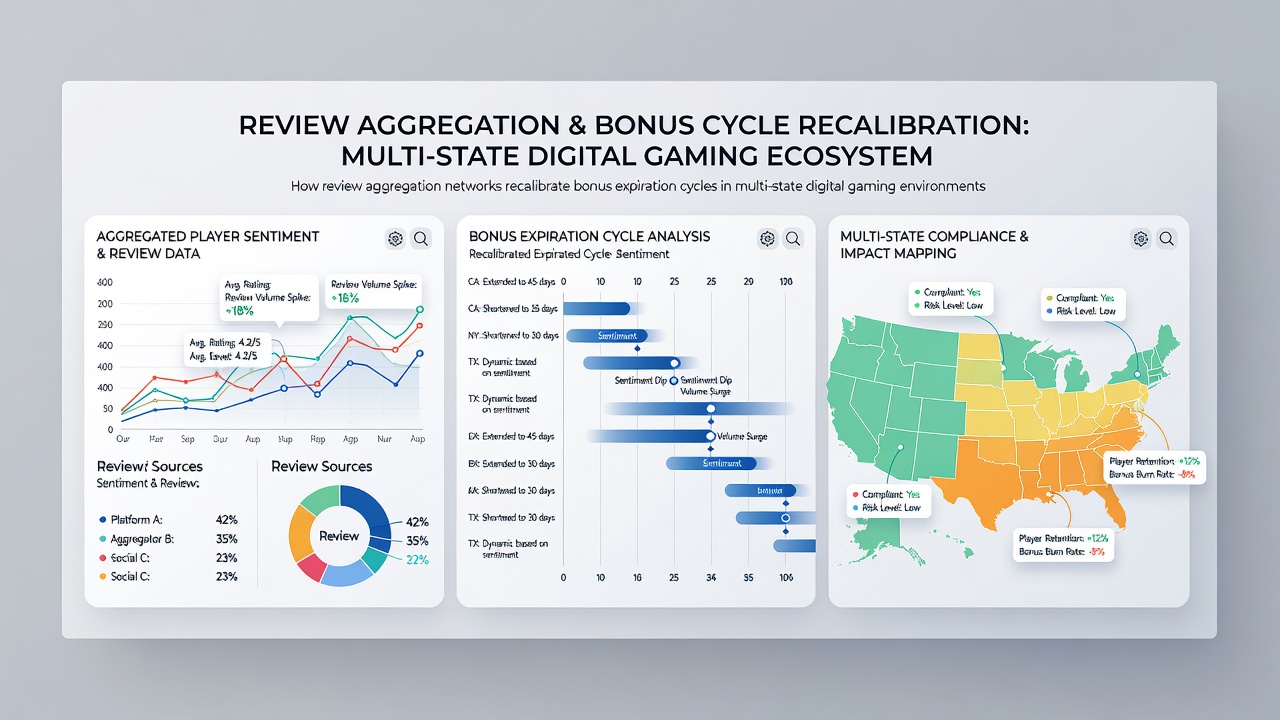
Take one operator active in both Michigan and Pennsylvania who noticed through network data that bonuses tied to slot play expired faster in the latter state due to higher average session lengths. The company extended Michigan cycles by several days to match observed patterns, resulting in more uniform redemption metrics reported back to the aggregation layer. Researchers at institutions tracking gaming economics have documented similar shifts in case studies covering 2025 through mid-2026.
Player Behavior Patterns and Network Feedback Loops
Players in multi-state environments often migrate between platforms based on bonus availability, and aggregation networks capture these movements through anonymized tracking. When expiration cycles fail to align with typical play schedules across borders, the networks highlight the mismatch in operator reports. This feedback prompts recalibration, such as extending validity periods during peak travel months or shortening them when data shows rapid completion in high-traffic jurisdictions.
According to American Gaming Association summaries, aggregated comparison tools have become standard references for promotional planning in legal markets. Networks update their models with new state entries, ensuring that bonus cycles reflect current conditions rather than outdated single-state assumptions.
Examples from Recent Market Activity
One documented instance involved a platform operating across three states that shortened expiration on table game bonuses after network analysis showed lower completion rates compared to peer averages. The adjustment brought the cycle in line with data from the strongest performing jurisdiction. Observers note that such changes appear in updated listings within weeks, allowing other operators to evaluate similar modifications.
Yet another pattern emerges when networks incorporate device-specific data, revealing that mobile users complete bonuses faster in certain states. Operators then calibrate expiration windows differently for mobile versus desktop promotions, using the aggregated insights to maintain competitive positioning in directory rankings.
Conclusion
Review aggregation networks continue to serve as intermediaries that translate raw performance data into actionable adjustments for bonus expiration cycles. Through continuous collection across state lines, these systems enable operators to refine timelines based on comparative metrics rather than isolated observations. As additional states authorize digital gaming, the scope of recalibration expands, creating tighter connections between regulatory environments and promotional structures. Data from sources including state filings and New Jersey Division of Gaming Enforcement records supports the ongoing role of these networks in shaping consistent practices across fragmented markets.