30 May 2026
How Networked Evaluation Hubs Influence Feature Rollout Schedules in Expanding Legal Markets

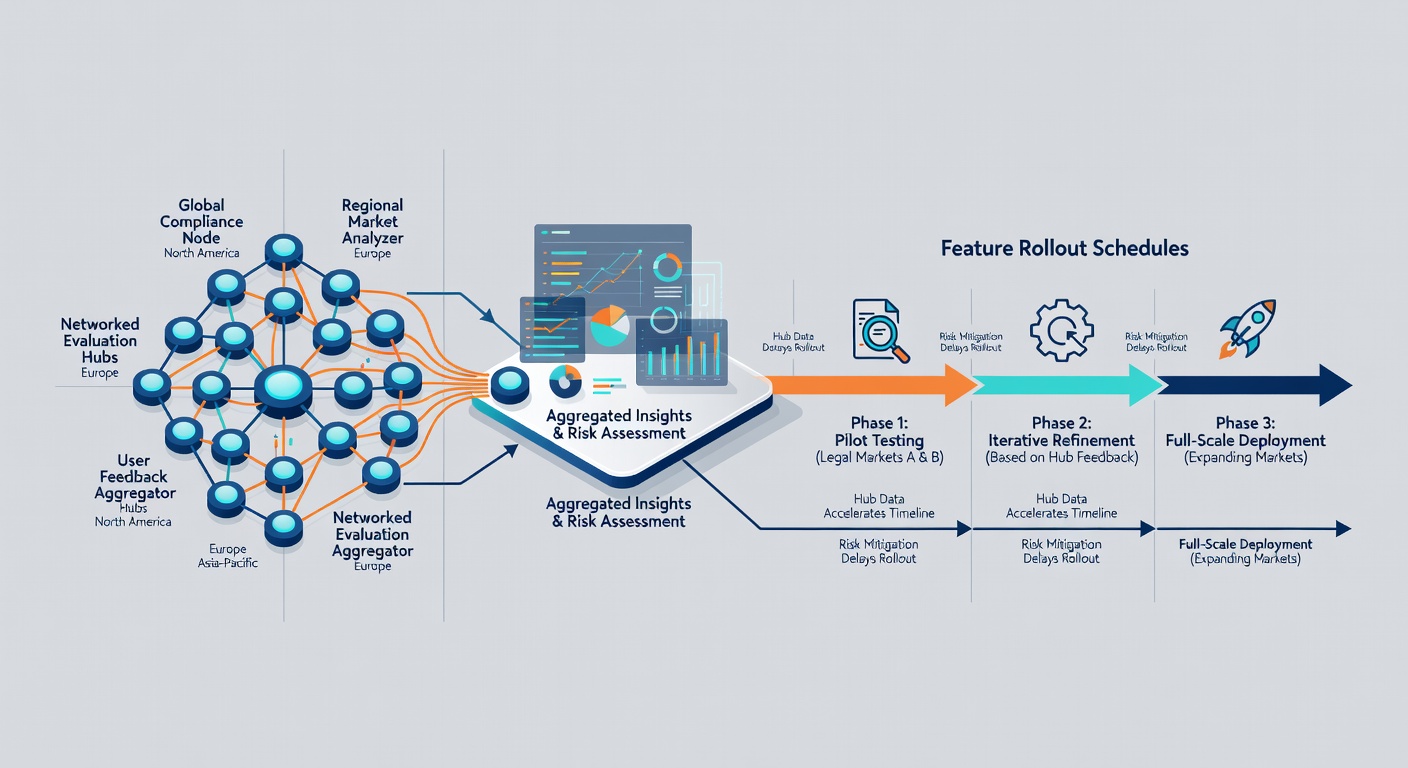
Networked evaluation hubs operate as centralized platforms that aggregate performance metrics, user feedback, and regulatory compliance data from multiple jurisdictions and they transmit these insights directly to operators who manage feature introductions in newly legalized regions. These hubs connect disparate sources including state gaming commissions, player review databases, and cross-border compliance trackers so operators receive unified signals about which features succeed under similar conditions elsewhere. Data flows through standardized APIs that allow real-time updates and this connectivity shortens the research phase operators once conducted independently before launching elements such as live dealer interfaces or new payment integrations.
Data Aggregation Mechanisms That Shape Timing Decisions
Hubs compile quantitative indicators such as session duration averages, bonus redemption rates, and latency reports from existing markets then they normalize the figures against regulatory variables including tax structures and age verification requirements. Operators review these normalized datasets to determine optimal rollout windows because features that demonstrate strong retention in one jurisdiction often require adjustments before deployment in another. Researchers at institutions like the University of Nevada Reno Gaming Center have documented how aggregated latency benchmarks influence mobile feature prioritization while similar patterns appear in reports from the Canadian Gaming Association. The process reduces trial periods in new markets because operators can reference proven configurations rather than starting from scratch each time legislation opens a fresh territory.
Examples From Recent Expansions in 2026
In May 2026 several multi-state operators synchronized the introduction of enhanced live dealer tables across Pennsylvania and Michigan after hub data revealed consistent player preferences for lower-latency streams in comparable regulatory environments. The same datasets prompted staggered releases of cryptocurrency deposit options because early metrics from one market showed slower adoption rates when paired with certain banking regulations. Observers note that hubs flag regional differences in device usage patterns and operators respond by sequencing desktop-optimized features ahead of mobile versions or vice versa depending on the aggregated signals. This approach allows companies to allocate engineering resources more precisely since they know which markets will likely support a feature within the first quarter after legalization.
Regulatory Compliance and Scheduling Adjustments
Legal markets often impose unique technical standards for responsible gaming tools and hubs track which versions of these tools achieve faster approval rates across borders. Operators incorporate this information into their calendars so they can bundle compliant features with new game releases rather than submitting separate applications that extend timelines. Figures from the Australian Gambling Research Centre indicate that states referencing shared hub repositories process approval requests 18 to 25 percent faster on average and this efficiency encourages operators to align internal development cycles with those shared benchmarks. When a hub detects a pattern of delayed approvals for a particular feature type in one region operators frequently postpone similar launches elsewhere until updated compliance templates become available through the network.
Impact on Multi-Jurisdiction Operators
Larger operators maintain dedicated teams that monitor hub outputs daily and these teams translate the incoming signals into master rollout calendars that span several states simultaneously. Smaller operators without such teams subscribe to hub summary reports and they use the condensed recommendations to decide whether to adopt a feature at the same pace as larger competitors. The resulting schedules reflect collective market intelligence rather than isolated testing and this collective approach creates more predictable launch sequences across expanding territories. Data shows that features introduced after hub consultation reach full deployment in new markets within 45 to 60 days on average whereas independent rollouts historically extended beyond 90 days in comparable situations.
Conclusion
Networked evaluation hubs continue to standardize the information operators use when sequencing feature introductions in expanding legal markets and the effect appears in both accelerated timelines and more targeted compliance strategies. As additional jurisdictions legalize online gaming the volume of data flowing through these networks increases and operators gain further precision in matching feature availability to regional conditions. The patterns established through hub-driven coordination now form a core component of strategic planning for any company active across multiple regulated environments.