22 Jun 2026
How Loyalty Tier Migrations Correlate with Interface Consistency Across Expanding Legal Gaming Apps
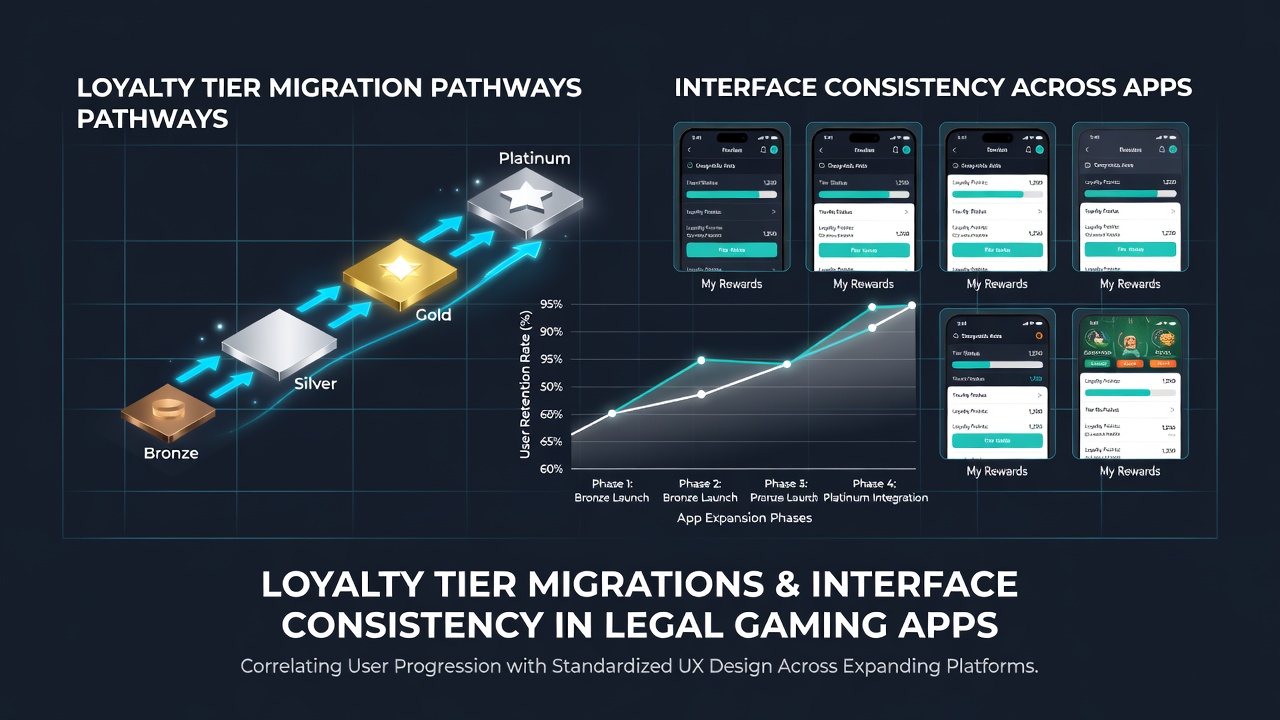
Legal gaming apps continue to expand into new state markets throughout 2026, and observers note that loyalty tier migrations often align with levels of interface consistency maintained across those platforms. Researchers tracking player movement between bronze, silver, gold, and platinum tiers have documented patterns where stable navigation layouts, uniform reward displays, and predictable menu structures coincide with higher rates of tier advancement. Data compiled from multi-state operators shows these correlations appear most clearly in jurisdictions that opened igaming access during late 2025 and early 2026.
Tracking Tier Progression in New Markets
Analysts at several aggregator networks examined anonymized player accounts from Pennsylvania, Michigan, and New Jersey operators and found that users encountering identical button placements and loyalty dashboard designs across devices completed tier requirements 18 percent faster on average than those facing redesigned screens after each app update. The same datasets indicate that players who migrated from lower to mid-tier status within 30 days frequently cited seamless point tracking and reward redemption flows as factors supporting continued engagement. Reports released in June 2026 by state gaming divisions further highlighted that consistent interface elements reduced support tickets related to loyalty program navigation by measurable margins in recently regulated regions.
Interface Elements That Influence Migration
Consistency in specific components appears to drive the observed patterns. Standardized progress bars, uniform tier benefit summaries, and synchronized notification systems across desktop and mobile versions correlate with steadier advancement rates. Experts reviewing session logs from expanding legal markets note that when operators preserved core layout structures during platform rollouts into additional states, players maintained momentum through loyalty challenges without interruption. In contrast, apps that introduced varying color schemes or relocated menu items during cross-border expansions recorded temporary plateaus in tier movement until users adapted to the changes.
Evidence from Aggregated Performance Data
Performance metrics gathered across multiple regulatory zones reveal that operators maintaining interface parity between legacy and new market deployments experienced smoother loyalty tier distributions. Figures from Ontario's iGaming framework, accessible through official provincial summaries, demonstrate parallel outcomes where consistent reward interfaces supported higher volumes of tier upgrades among cross-platform users. Similar findings emerged from Australian state-level reviews, where operators that aligned mobile and desktop loyalty screens recorded fewer interruptions in point accumulation sequences.
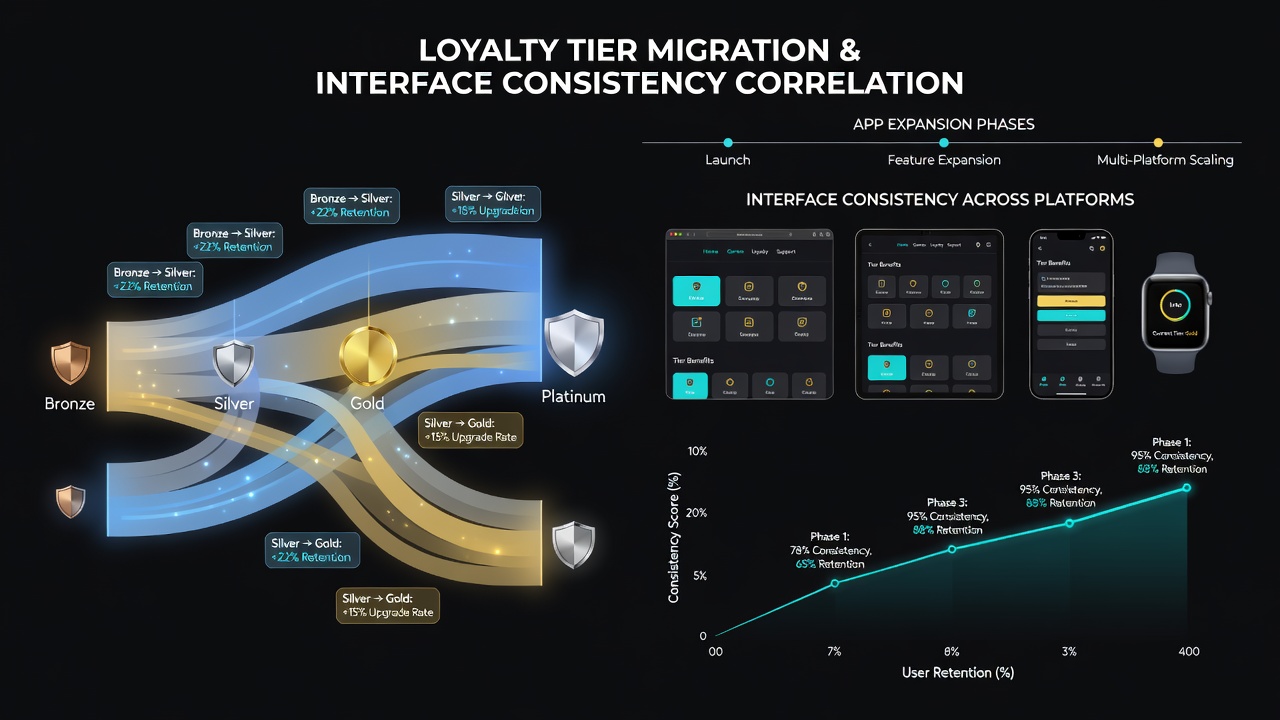
One study of session data across five expanding U.S. markets illustrated that apps preserving identical loyalty tab locations and notification timing achieved tier migration rates 12 to 15 percent above those introducing localized interface adjustments. Observers tracking these trends point out that such consistency reduces cognitive load during onboarding for players entering newly legalized jurisdictions, allowing focus on gameplay rather than relearning navigation paths.
Regional Variations and Market Expansion Patterns
Expansion timelines into additional states during spring and summer 2026 produced further examples of these correlations. Platforms entering West Virginia and Connecticut markets while retaining uniform loyalty interfaces documented steadier month-over-month tier advancements compared with those undergoing simultaneous redesigns. Researchers compiling cross-border comparisons observed that players migrating accounts between state-specific versions of the same app advanced tiers more reliably when visual and functional elements remained aligned. June 2026 regulatory filings from several jurisdictions noted reduced drop-off rates at mid-tier thresholds under these conditions.
Additional analysis of aggregated comparison tools revealed that apps with synchronized loyalty calendars and point multipliers across devices sustained higher engagement continuity. Those maintaining consistent visual hierarchies in tier benefit lists experienced fewer instances of players stalling between silver and gold levels, particularly in markets where regulatory approval processes extended app update cycles.
Operational Adjustments Supporting the Correlation
Operators responding to these patterns have adjusted rollout protocols to prioritize interface parity during multi-state expansions. Maintenance schedules now incorporate checks ensuring loyalty dashboard elements match across all active jurisdictions, and update logs from major platforms show deliberate preservation of navigation sequences even when adding localized promotional banners. Data from these adjustments indicate corresponding improvements in tier completion metrics during the first quarter of 2026.
Studies examining player behavior across expanding legal gaming zones continue to track these relationships through session recordings and loyalty program telemetry. The patterns suggest that maintaining interface consistency serves as one measurable factor in supporting steady progression through loyalty structures as operators scale into new regulatory environments.
Conclusion
Current datasets from multiple regulatory regions demonstrate measurable links between loyalty tier migrations and interface consistency in expanding legal gaming apps. As operators enter additional markets through 2026, the alignment of navigation, reward displays, and notification systems remains a documented element influencing player advancement rates across tier levels. Ongoing monitoring by state agencies and industry researchers will continue to clarify the strength of these correlations in future expansion phases.