30 Jul 2026
How Listing Networks Influence Biometric Login Tool Adoption in State-Approved Mobile Platforms

Listing networks, including major app marketplaces and compliance-focused directories, shape when biometric login features reach users on state-approved mobile platforms through structured review processes and ranking criteria that emphasize security certifications. These networks evaluate apps against standardized security benchmarks before granting prominent placement, which in turn affects developer priorities during rollout phases. Data from regulatory filings indicates that platforms incorporating fingerprint or facial recognition capabilities often advance faster in approval queues when they meet criteria outlined by bodies such as the National Institute of Standards and Technology.
Mechanisms Behind Network-Driven Prioritization
App directories and aggregated listing services maintain algorithms that score submissions on factors including authentication robustness, data encryption levels, and compliance documentation. Developers receive signals through these systems that biometric integration can accelerate visibility in state-regulated categories, prompting earlier allocation of engineering resources toward tools like Touch ID or Face ID compatibility. Studies from academic research groups have tracked how updates incorporating these features align with quarterly listing refreshes, creating predictable windows for deployment across approved platforms in multiple jurisdictions.
State approval workflows frequently intersect with these network requirements, as agencies reference directory rankings when certifying mobile applications for public use. In July 2026, internal reports from several state technology offices noted that biometric-enabled apps cleared final validation stages weeks ahead of non-biometric counterparts due to pre-vetted security profiles already recognized by prominent listing services. This synchronization reduces redundant testing and allows agencies to focus resources on domain-specific validations rather than basic login protocols.
Regional Variations in Rollout Timelines
Geographic differences emerge as listing networks adapt criteria to local regulatory frameworks. Platforms operating under frameworks similar to those managed by the Australian Cyber Security Centre tend to require documented biometric performance metrics before elevating apps in government-adjacent categories, leading to phased introductions that begin with pilot user groups. Meanwhile, Canadian provincial oversight bodies have coordinated with directory operators to publish joint guidelines that tie listing prominence to biometric false acceptance rate thresholds established through independent testing.
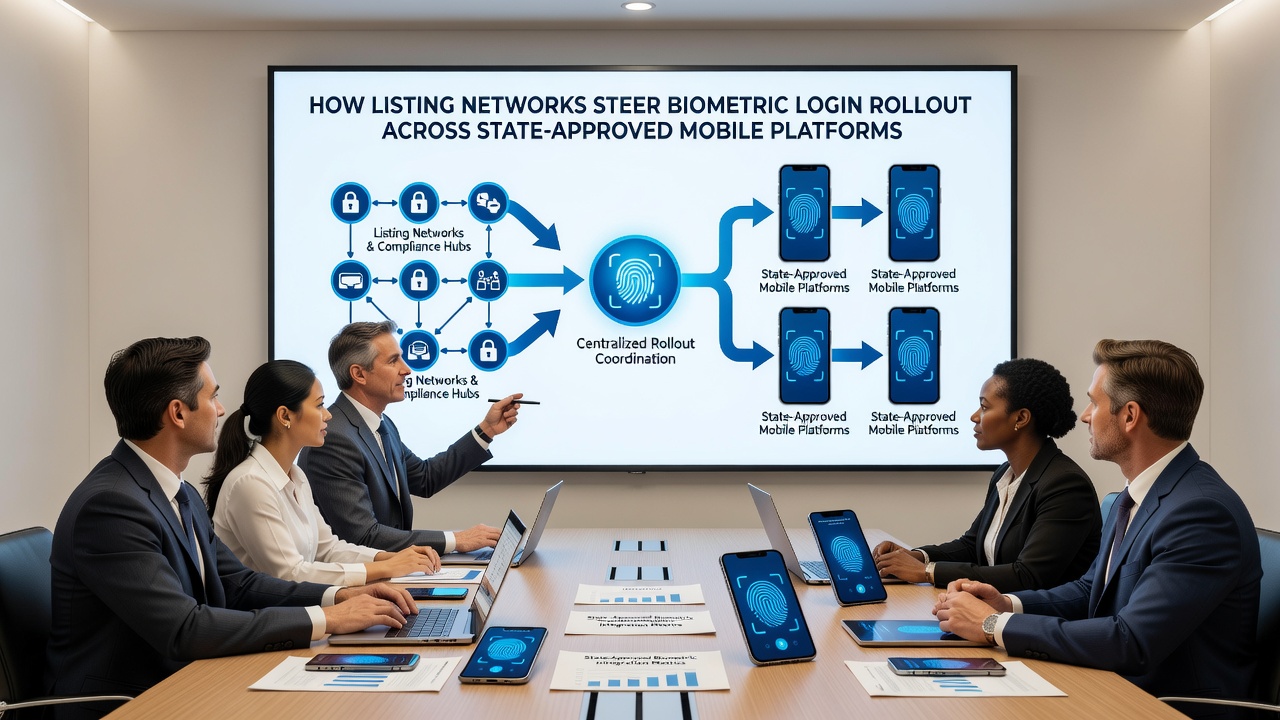
European Union member states have integrated similar expectations through digital service directives that reference aggregated evaluation data from cross-border listing hubs. One analysis of deployment records revealed that applications listed on networks serving multiple EU countries introduced biometric options in coordinated batches timed to directory update cycles, rather than independent state-by-state schedules. Observers note that these patterns produce measurable compression of rollout intervals when compared with earlier periods before widespread network influence.
Technical and Compliance Interdependencies
Biometric login tools depend on hardware capabilities, operating system APIs, and backend verification services that listing networks assess during initial screening. Directories often publish compatibility matrices that flag which device models support required sensors, guiding developers to prioritize certain platforms in their state approval submissions. This filtering effect means that broader device coverage for biometrics frequently appears first in apps targeting high-visibility listings, as those positions reward comprehensive support documentation.
Research indicates that when networks incorporate user-submitted performance logs into ranking formulas, apps demonstrating reliable biometric function across varied lighting conditions or hardware generations receive preferential treatment. Such feedback loops encourage iterative improvements before full state certification, shortening the gap between technical readiness and public availability. Agencies in turn reference these network-vetted performance indicators when conducting their own audits, creating a layered validation structure that rewards early alignment with directory standards.
Future Trajectory and Ongoing Adjustments
Listing networks continue to refine scoring models as biometric technologies evolve, incorporating emerging standards for presentation attack detection and template protection. State-approved platforms must track these shifts to maintain competitive positioning within directory ecosystems, which in practice means scheduling feature updates around network policy announcements. Coordination between directory operators and regulatory agencies has produced shared reference documents that outline expected biometric implementation milestones, reducing ambiguity for development teams working across jurisdictions.
Conclusion
Patterns observed through 2026 demonstrate that listing networks function as intermediaries that translate security expectations into actionable timelines for biometric login integration on state-approved mobile platforms. By aligning evaluation criteria with regulatory needs, these networks influence both the sequence and scope of feature availability without direct control over state certification decisions. Continued monitoring of directory updates alongside agency guidance will clarify how these dynamics develop as authentication standards advance.