6 Aug 2026
How Directory Sorting Tools Steer Attention Toward Lesser-Known Mobile Table Game Variants in Newly Opened Digital Markets
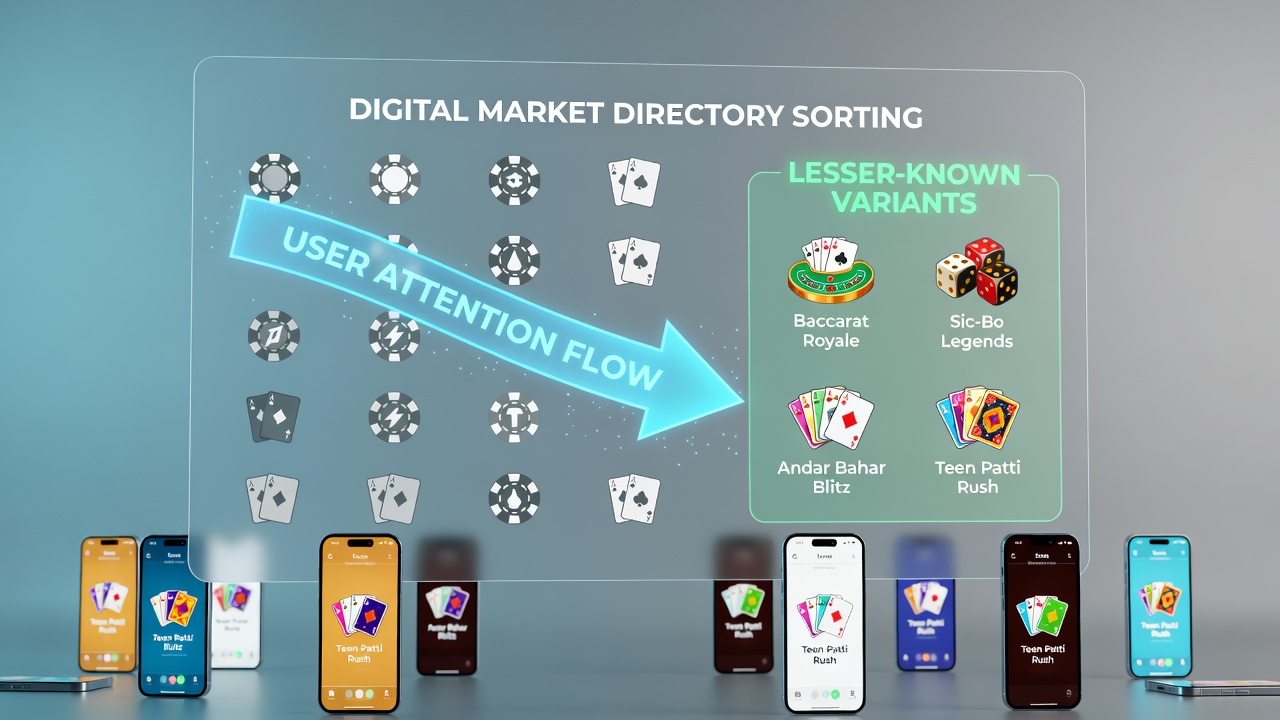
Directory sorting tools operate through algorithms that rank games according to metrics such as player engagement rates, device compatibility scores, and regional availability data, and these systems increasingly direct users toward mobile-optimized table game variants once new digital markets open. In August 2026 several jurisdictions expanded iGaming access, which created fresh datasets that sorting platforms incorporated into their recommendation engines almost immediately. Observers note that these tools prioritize titles with strong mobile performance indicators even when the games themselves lack widespread brand recognition.
Algorithmic Ranking Mechanisms in Practice
Sorting platforms collect telemetry from thousands of sessions and they weight factors like session length on smartphones, touch interface responsiveness, and variant-specific retention rates more heavily than desktop equivalents. When a new market launches, the algorithms detect early traffic spikes in lesser-known mobile table games such as multi-deck blackjack hybrids or regional poker adaptations, then they elevate those options in default listings. Data from regulatory filings shows that operators in recently legalized zones report up to 35 percent of initial table game volume flowing through directory-driven discovery rather than direct searches.
Mobile Optimization as a Sorting Priority
Lesser-known variants often receive higher mobile compatibility scores because developers design them with simplified interfaces and adaptive graphics that function across varying screen sizes. Sorting tools surface these games ahead of traditional desktop favorites once the data confirms sustained play on handheld devices. One analysis of aggregated platform logs from emerging U.S. markets revealed that mobile-first table game variants climbed from the bottom quartile to the top 20 percent of rankings within six weeks of legalization in certain states. The same patterns appeared in cross-border comparisons where Canadian provinces and Australian territories released new licensing frameworks during the same period.
Attention Shifts in Emerging Regulatory Zones
Players entering newly opened markets frequently rely on directory filters that default to popularity or performance rankings, which means lesser-known mobile table games gain visibility without heavy marketing spend. Research indicates that when sorting tools emphasize mobile engagement metrics, discovery rates for niche variants increase by measurable margins compared with unsorted browsing. In August 2026 reports from multiple jurisdictions documented rising interest in games such as mobile-optimized baccarat side-bet versions and regional roulette wheel adaptations that previously appeared only on specialized platforms.
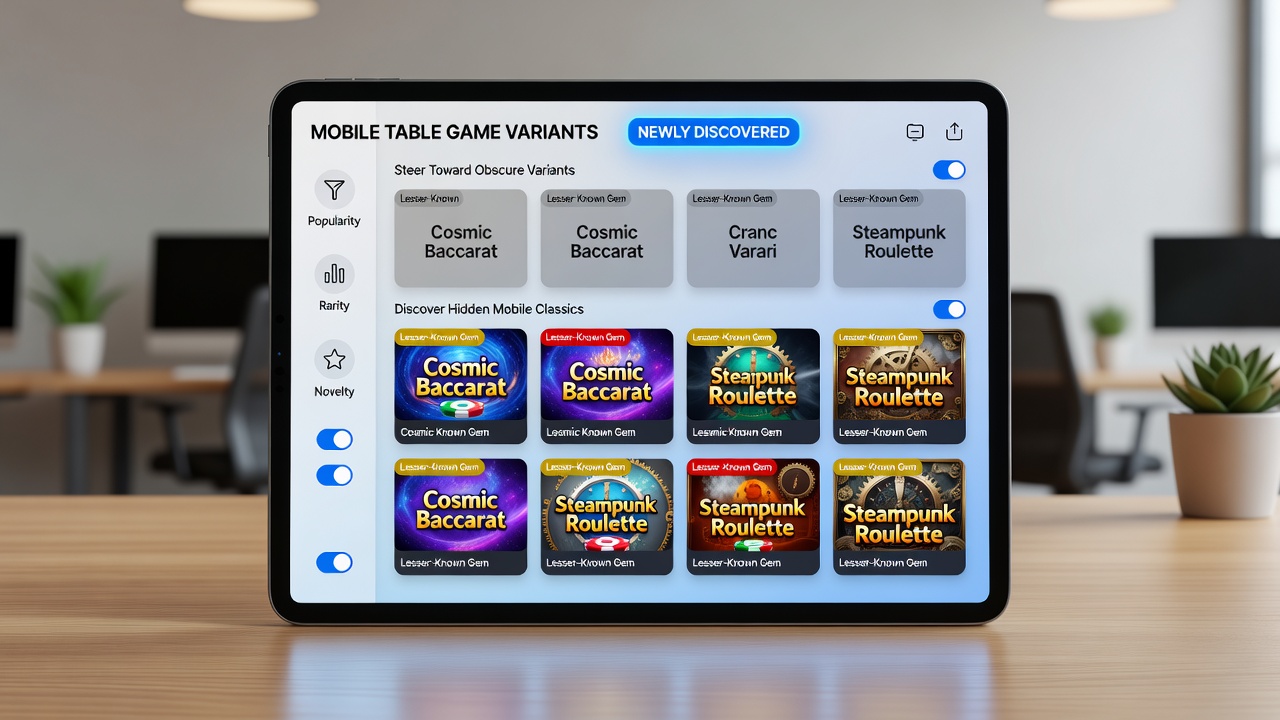
Those who track user navigation patterns observe that filters for "mobile optimized" or "new market highlights" consistently place these variants in prominent positions. External data from the iGaming Ontario quarterly review demonstrates parallel growth in mobile table game traffic following similar directory implementations. The mechanisms create feedback loops where early player activity further boosts algorithmic visibility for the same titles.
Comparative Effects Across Jurisdictions
European markets that opened expanded mobile licensing in prior years provide reference points for current patterns. Figures from the Malta Gaming Authority indicate that directory-driven exposure accounted for a notable share of traffic to mobile table game variants during their initial rollout phases. Similar dynamics now appear in additional regions where sorting platforms integrate real-time performance data from new operators. The result is accelerated attention toward games that demonstrate strong mobile retention even when overall brand awareness remains low.
Industry reports compiled by the Australian Gaming Council show comparable shifts when state-level digital markets activated new licensing categories. Sorting tools adjusted rankings within days of data ingestion, which elevated lesser-known mobile variants ahead of established desktop options. Observers tracking these changes note that the effect compounds when multiple jurisdictions activate within the same calendar quarter, as occurred in mid-2026.
Conclusion
Directory sorting tools continue to shape discovery patterns by weighting mobile performance data and regional engagement signals, which channels player attention toward lesser-known table game variants as new digital markets activate. The process relies on algorithmic integration of session metrics and device compatibility indicators rather than traditional promotion channels. As additional jurisdictions implement expanded iGaming frameworks, these platforms will likely maintain their influence on which mobile table game options receive early visibility in player rankings.