28 May 2026
How Cross-Linked Casino Evaluation Networks Shape Game Availability Timelines in Multi-State Markets
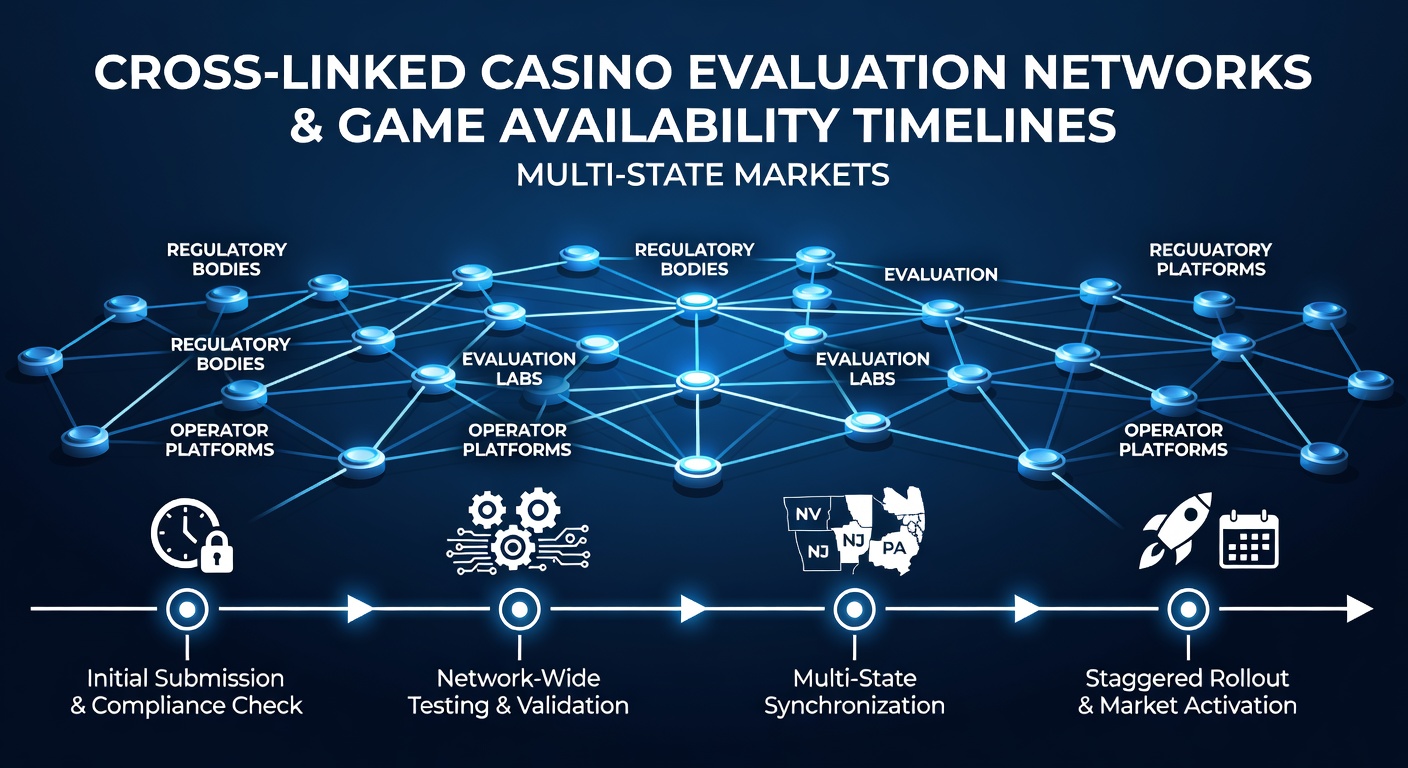
Cross-linked casino evaluation networks consist of interconnected review platforms, aggregator tools, and data-sharing systems that compile player feedback, performance metrics, and compliance records from operators active in several jurisdictions at once. These networks transmit information about game popularity and technical stability between markets, which in turn affects the sequence and speed at which new titles receive approval and appear on casino floors or digital lobbies. Operators monitor aggregated signals from multiple states to decide launch priorities, while regulators reference the same shared datasets when they review licensing applications.
Mechanics of Data Exchange Across Jurisdictions
Evaluation platforms connect through APIs and standardized reporting formats that allow performance statistics collected in New Jersey to inform decisions in Pennsylvania or Michigan within days rather than weeks. When a slot or table game demonstrates strong retention rates and low dispute volumes in one state, the linked systems flag that title for faster-track reviews elsewhere. Conversely, titles that generate elevated complaint ratios or latency issues in mobile environments receive delayed consideration because the shared data highlights those shortcomings before local testing even begins. This process creates a de facto ranking system that influences availability timelines without replacing official regulatory oversight.
Regulatory Alignment and Timeline Compression
State gaming commissions continue to conduct independent evaluations, yet they increasingly consult consolidated reports produced by these networks to identify patterns that warrant closer scrutiny. In May 2026, several multi-state operators reported that games cleared through initial reviews in one jurisdiction advanced to public release in adjacent markets up to 18 days earlier than the previous average because the cross-linked data already satisfied portions of the technical and responsible-gaming assessments. The networks do not override statutory requirements, but they reduce duplication in documentation submission and allow regulators to focus resources on novel risk factors rather than routine verification.
Player-Driven Signals and Market Prioritization
Aggregated comparison tools surface real-time indicators of player preference across state lines, prompting operators to sequence releases according to demonstrated demand rather than internal calendars alone. When a live dealer variant records high session lengths in one regulated market, the linked evaluation systems propagate that metric to other jurisdictions where similar player demographics exist. This feedback loop encourages suppliers to allocate certification resources toward titles already validated by cross-state performance data. Observers note that the result is a staggered rollout pattern where availability dates in secondary markets often trail primary launches by shorter intervals than occurred before widespread network connectivity.
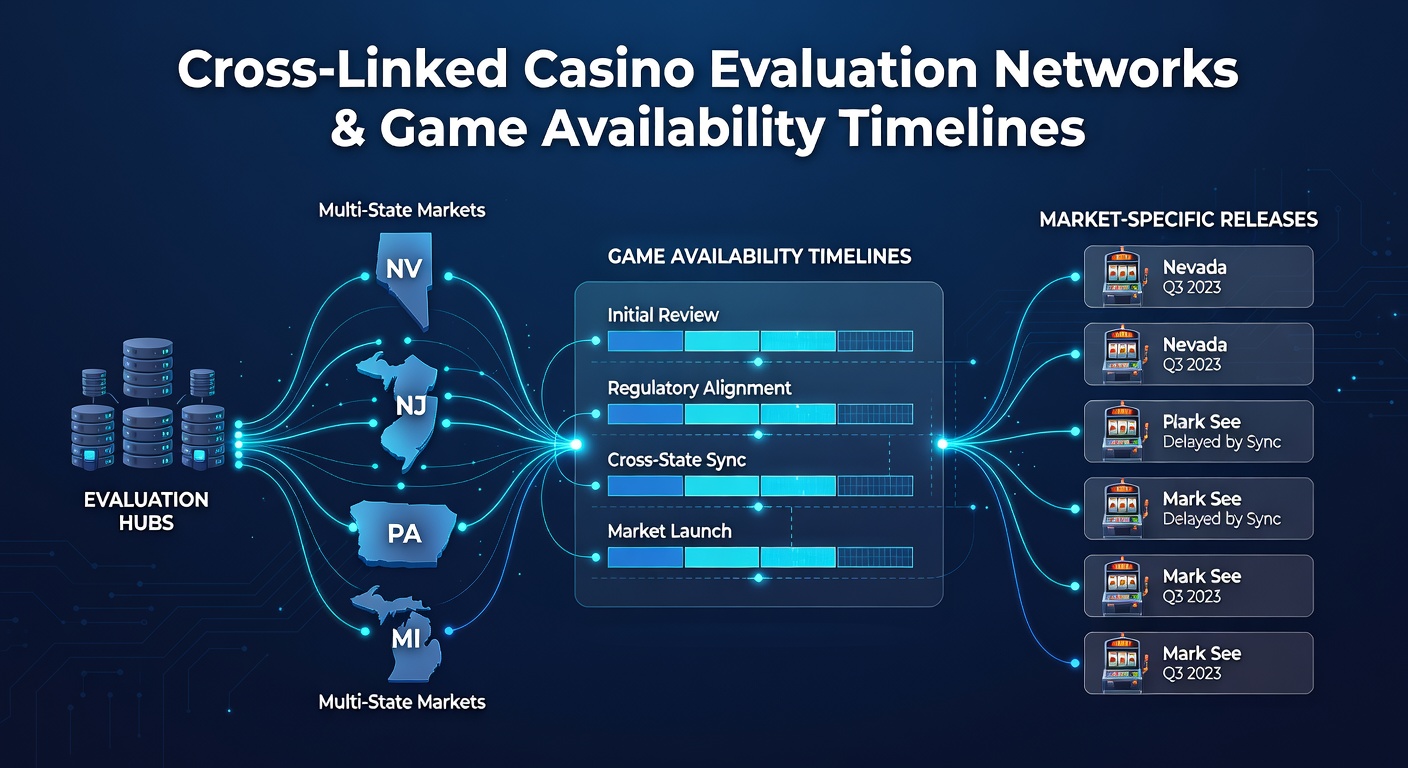
Take the example of a major game developer that coordinated simultaneous submissions in three states during early 2026. The cross-linked platforms flagged strong mobile engagement metrics from the first jurisdiction, which accelerated review queues in the remaining two because regulators referenced the shared performance summaries. This coordination shortened the overall window from initial filing to full commercial availability from roughly 90 days to just over 60 days in the best-case scenario. Such outcomes illustrate how the networks function as informational bridges rather than decision-makers.
Challenges in Maintaining Consistent Standards
Differences in state-specific rules on bonus structures, age verification protocols, and responsible gaming disclosures still require separate documentation even when technical evaluations overlap. Networks that attempt to standardize reporting formats sometimes encounter resistance when one jurisdiction updates its technical standards ahead of others. In those situations, operators must maintain parallel data streams until all linked systems incorporate the revised criteria. The resulting friction can extend timelines in the lagging market despite positive signals from the leading one. Industry associations continue to explore common data schemas that respect these variances while preserving the efficiency gains of interconnection.
According to reports published by the American Gaming Association, multi-state operators have increased their use of consolidated evaluation feeds by more than 40 percent since 2023. The same data sets also inform supplier negotiations, as developers prioritize titles that demonstrate cross-market viability through the networks. This commercial feedback reinforces the timeline effects because games lacking early positive signals receive fewer certification resources overall.
Future Developments in Network Integration
Additional states entering the regulated market during 2026 are expected to join existing data-sharing frameworks rather than establish isolated evaluation systems. This expansion could further compress availability timelines for titles already proven in mature jurisdictions, provided the new regulators accept portions of the aggregated technical and performance records. Pilot programs testing automated data handoffs between evaluation platforms and state licensing portals have shown reduced administrative processing times in controlled trials. Those programs remain limited to non-sensitive metrics, yet they point toward deeper integration that could standardize certain approval stages across borders.
Researchers examining these patterns have documented that titles achieving top-quartile retention scores in at least two linked markets receive approval notifications an average of 12 days sooner than comparable games lacking such cross-state validation. The effect holds after controlling for game type and supplier reputation, suggesting the networks contribute measurable acceleration independent of other variables.
Conclusion
Cross-linked casino evaluation networks transmit performance and compliance data across state lines, which operators and regulators both reference when sequencing game releases. The resulting timelines reflect aggregated signals from multiple jurisdictions rather than isolated local assessments alone. While statutory requirements remain distinct in each market, the shared information reduces redundant review steps and highlights titles that already meet baseline expectations. Continued expansion of these networks will likely produce further adjustments to availability schedules as additional states integrate into the existing data flows.