13 Jun 2026
How Aggregated Comparison Algorithms Reshape Game Availability Windows in Expanding Legal Gaming Zones
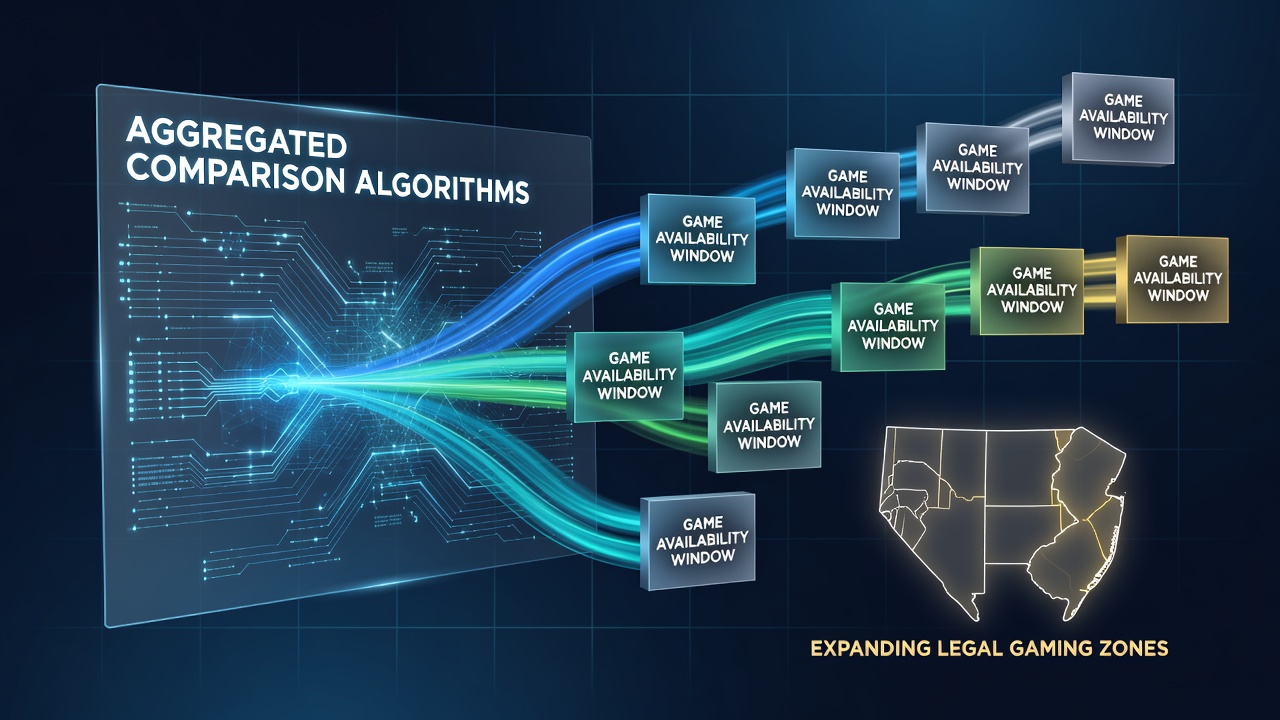
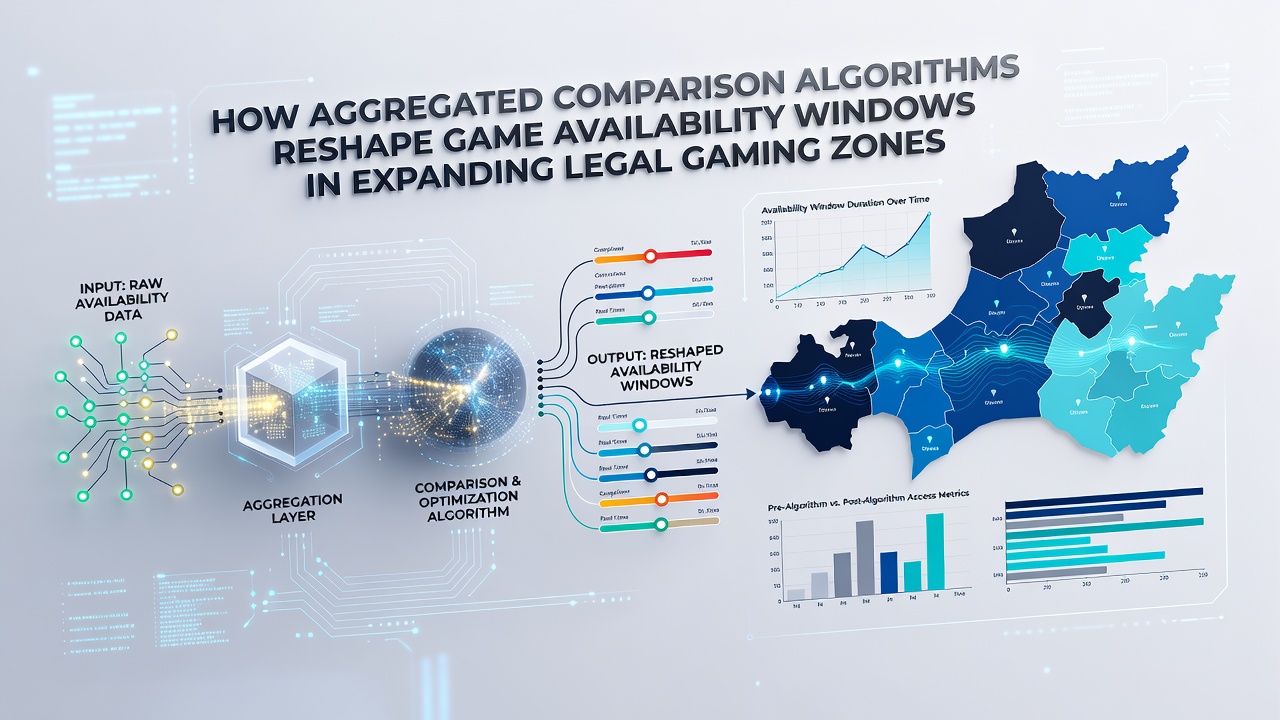
Operators in newly regulated markets rely on aggregated comparison algorithms to determine when specific titles enter legal play windows, and these systems pull data from review platforms, player logs, and cross-border performance metrics to set release timelines. The process starts with data collection across multiple jurisdictions where similar games already operate, then applies weighting factors based on regional compliance rules and user engagement patterns observed in the preceding months.
Data Inputs Driving Availability Decisions
Comparison networks compile metrics such as session duration, device compatibility rates, and payout consistency from existing markets, after which algorithms calculate projected demand curves for incoming regions. In practice this means a slot title cleared in one state during early 2026 may receive staggered rollout dates in adjacent territories based on how closely local regulatory thresholds match the source data. Observers note that June 2026 figures from multi-state operators show availability windows shortening by an average of 12 days when aggregated scores exceed internal benchmarks for mobile performance.
Algorithmic Weighting Across Borders
Systems assign higher influence to datasets from jurisdictions with comparable tax structures and licensing requirements, while down-weighting inputs from markets with stricter responsible gaming mandates. This selective aggregation produces release schedules that prioritize titles already vetted in high-volume environments before they reach newer zones. Researchers tracking these patterns found that live dealer games frequently follow a two-phase availability model: initial desktop deployment followed by mobile optimization windows determined by latency comparisons aggregated from prior launches.
One analysis of operator filings revealed that aggregated signals from Canadian provincial data influenced Michigan game release timing in the first half of 2026, with algorithms adjusting for differences in jackpot pooling regulations between the two regions. The same models incorporate feedback loops that update availability predictions weekly, allowing operators to shift windows when new comparison data emerges from recently legalized areas.
Regional Expansion Patterns in Mid-2026
States entering the legal market during spring and summer 2026 adopted these algorithmic frameworks at varying speeds, with some integrating them directly into licensing applications. Data from the American Gaming Association indicates that operators using aggregated comparison tools achieved synchronized launches across three or more jurisdictions within single calendar quarters, whereas those relying on manual scheduling encountered delays averaging 19 days. The difference stems from automated detection of overlapping compliance requirements that allow simultaneous certification in multiple zones.
European operators expanding into additional member states applied similar logic, drawing on aggregated performance logs from established markets like Malta and the Netherlands to forecast availability in newer regulatory environments. These models account for currency conversion impacts and local language localization timelines, factors that extend or compress windows depending on how closely source data aligns with target market conditions.
Effects on Specific Game Categories
Slot portfolios show the clearest compression of availability windows because comparison algorithms prioritize titles with proven cross-device stability, while table games and live dealer offerings follow longer evaluation cycles tied to dealer staffing data aggregated from multiple sites. June 2026 tracking reports from multi-state platforms documented that progressive jackpot games received accelerated rollout when aggregated player retention metrics from earlier markets exceeded defined thresholds, whereas non-progressive variants waited for additional confirmation from secondary comparison sets.
Those managing content libraries report that algorithms flag potential conflicts with regional advertising rules or age verification standards before finalizing dates, thereby preventing last-minute postponements that previously disrupted synchronized launches. The result appears in more predictable calendars shared among affiliated operators across expanding zones.
Future Adjustments and Monitoring
Regulatory bodies in several jurisdictions now request summaries of the data sources feeding these algorithms during renewal reviews, although the underlying code remains proprietary. Industry associations such as the Canadian Gaming Association have begun publishing anonymized benchmarks that operators feed back into comparison networks, creating a feedback cycle that refines availability projections over successive expansion waves.
Academic studies from institutions tracking digital gambling infrastructure continue to examine how these systems interact with real-time regulatory updates, particularly when new tax formulas or responsible gaming tools enter the comparison datasets. The interplay produces availability windows that evolve in response to both market performance and policy shifts rather than fixed calendar schedules.
Conclusion
Aggregated comparison algorithms have become central to determining when games reach players in expanding legal gaming zones, with data flows from established markets shaping release timelines in newer ones. The mechanisms rely on continuous input from performance logs, compliance indicators, and device-specific metrics that update availability forecasts on weekly cycles. As additional regions finalize licensing frameworks through the remainder of 2026, these systems will continue to synchronize or stagger game launches according to patterns extracted from prior operational data.