8 Aug 2026
Decoding Navigation Trend Data from Casino Portals to Reveal How It Times the Release of Cross-Device Bonus Structures in Fresh Regulatory Zones
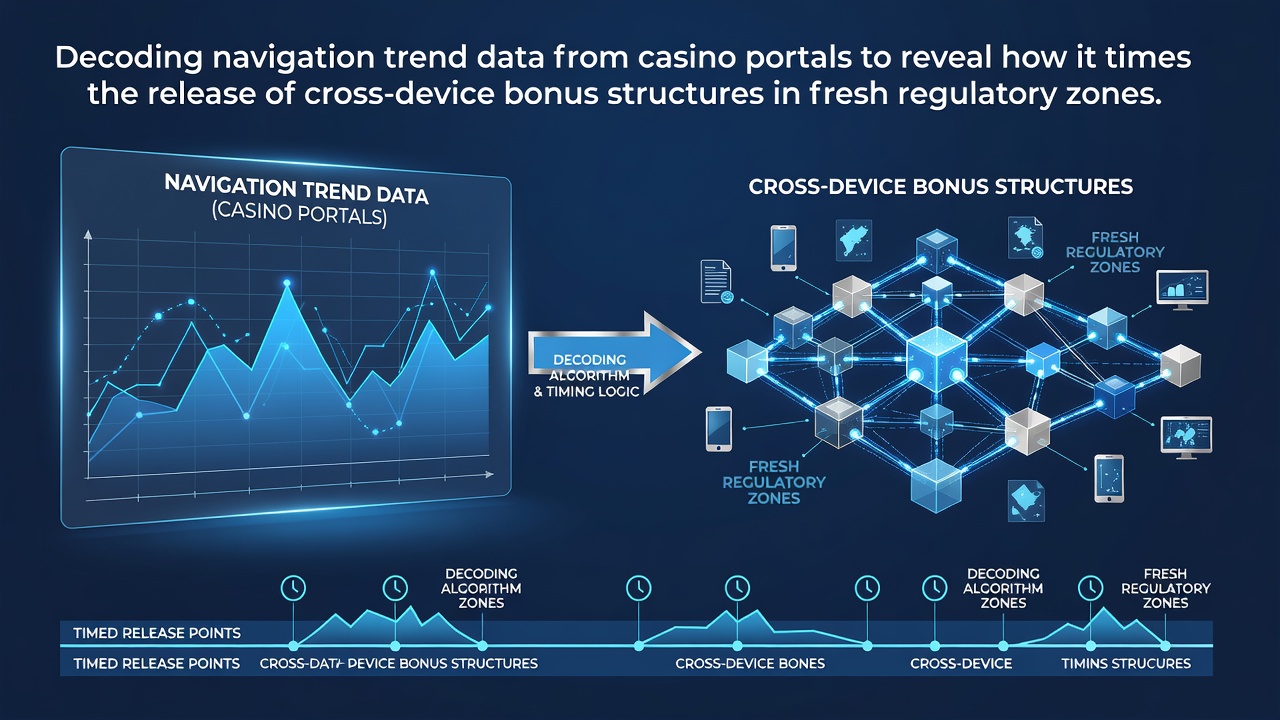 Data from casino portals shows operators monitoring user navigation paths to determine when cross-device bonus structures launch in newly regulated zones, with patterns emerging from device switch rates and session durations guiding release schedules. Analysts track how players move between desktop and mobile interfaces, noting that spikes in multi-device activity often precede bonus deployments by several weeks. Research indicates these timing mechanisms rely on aggregated clickstream data collected through portal interfaces, where increased cross-device logins signal readiness for bonus activation. In zones opening during the first half of 2026, operators adjusted rollout windows based on observed navigation clusters rather than fixed calendars.
Navigation Patterns Driving Bonus Timing
Portal analytics reveal that users frequently alternate between devices within single sessions when exploring new markets, and operators use these transitions to calibrate bonus availability. Data shows session lengths extending beyond twelve minutes correlate with higher engagement on promotional pages, prompting earlier releases of cross-device offers.
Those tracking portal metrics across regulatory borders observe that navigation funnels ending at bonus claim sections accelerate timing decisions, while fragmented paths delay launches until consistency improves. Aggregated logs from multiple sites demonstrate a recurring sequence where desktop-to-mobile shifts rise sharply in the weeks before a new jurisdiction activates, allowing operators to synchronize bonus structures accordingly.
Cross-Device Structures in Emerging Markets
Fresh regulatory zones provide testing grounds where navigation data directly influences whether bonuses function seamlessly across platforms or require phased rollouts. Evidence from comparison tools indicates operators prioritize markets showing balanced device usage, releasing unified bonus frameworks only after portal metrics confirm minimal friction during device switches.
August 2026 figures from several North American jurisdictions highlight how these patterns played out, with bonus structures appearing weeks after navigation trends stabilized. Operators in expanding Canadian provinces and select Australian territories followed similar sequences, linking portal-derived insights to regulatory compliance timelines.

Data Sources and Measurement Approaches
Portal operators collect navigation data through embedded tracking that records entry points, device types, and progression toward bonus-related content. Studies from industry reports confirm that heatmaps of user flows help identify optimal windows for cross-device bonus introductions, particularly when regulatory approvals coincide with rising multi-platform activity.
According to American Gaming Association trackers, operators in multiple states have aligned bonus releases with observed navigation consistency rather than uniform schedules. Additional insights from Canadian regulatory filings show parallel approaches in Ontario and British Columbia, where device-transition data informed timing without relying on single-region assumptions.
Regional Variations in Timing Mechanisms
European markets outside the UK demonstrate distinct navigation signatures that affect bonus timing, with portal data revealing slower device-switching rates leading to staggered cross-device structures. In contrast, Latin American jurisdictions opening in 2026 exhibited rapid multi-device adoption, prompting operators to compress release intervals once navigation metrics exceeded baseline thresholds.
Academic analyses of player behavior datasets further illustrate how these regional differences manifest in timing decisions, with researchers noting that portal navigation clusters serve as leading indicators for bonus deployment across borders. Operators reference these clusters to avoid premature launches that might conflict with local regulatory frameworks.
Conclusion
Portal navigation trend data continues to shape the timing of cross-device bonus structures as new regulatory zones activate, with operators relying on device-transition metrics and session patterns to set release windows. Aggregated observations from multiple markets show consistent alignment between navigation signals and bonus availability, establishing data-driven sequences that adapt to each jurisdiction's characteristics. Future expansions will likely refine these approaches as tracking capabilities advance and regulatory environments evolve.